an hour ago
The American political newspaper writes about Kosovo's sexual assault: Read Their Stories

Periskopi(7 years ago)
(7 years ago)The art taken by Politico and translated adapted by Periscopi thousands of women were raped in Kosovo as Serbian and Albanian forces were struggling to take control of this territory two decades ago. Serbian leader Slobodan Milosevic used rape as an alloy of war... their aim was to [...]
Thousands of women were raped in Kosovo until Serb and Albanian forces were fighting to take control of this territory two decades ago. Serbian leader Slobodan Milosevic used the violation as an allegation of war ? Their intent was to destroy the honour and identity of Albanians, according to some researchers and activists. It is a strategy that rioters saw. Even though Kosovo later declared independence from Serbia, the war continues for survivors and survivors who suffer in silence.
Shame and stigma in conservative Kosovo society prevent survivors/resistents of sexual violence from speaking out about what has made them so hot. The latter rely solely on doctors and activists of few NGOs in Kosovo who work in this direction to confess their experiences, in trying to recover and move on with their lives. Some, having agreed with their husbands, keep silent; others feel that they cannot share confession with even their loved ones.
Sunday on this March 24th marks the 20th anniversary of the start of NATO's 78-day bombings to remove Milosevic's forces from Kosovo. Most of the war crimes involving violations occurred between March and June 1999, while Serb forces took revenge against Kosovo's ethnic Albanian population. Men were also sexually violated, too.
To date, no rapist has been convicted of violation committed during the war.
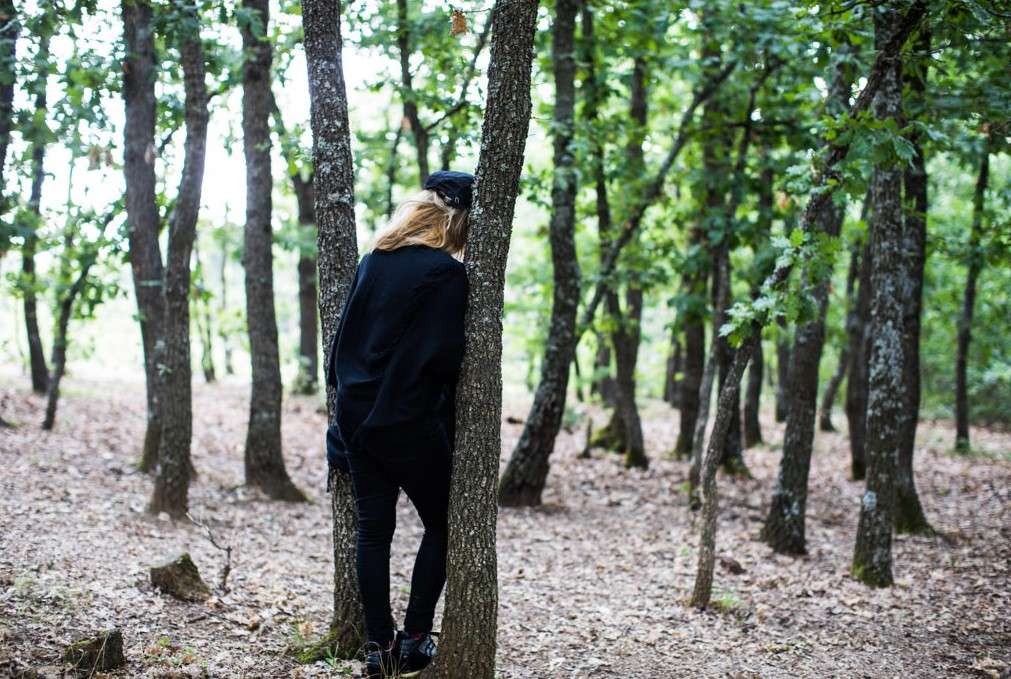
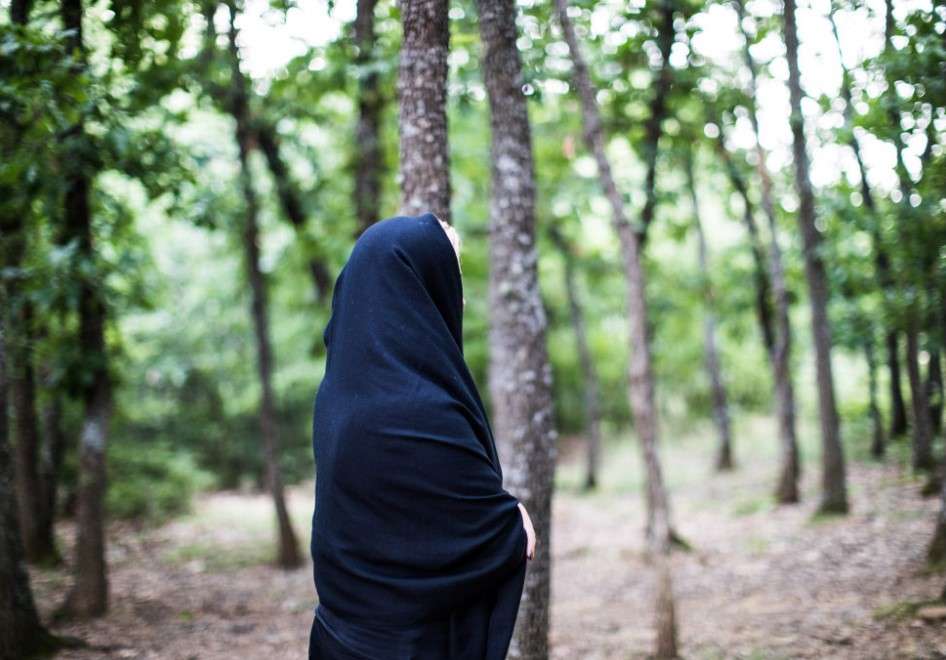
This 36-year-old is a survivor of sexual rape and is seen in the forest near her home where she grew up in Drenica, in the middle of Kosovo. The survivor had only 16 years when he was violated by eight Serb policemen in the basement of a relative's house in April 1999. After the war ended, when she was 17, she married a much older man whose parents found her, hoping that her marriage would relieve her pain. It didn't happen like that.
She was eagerly waiting for the news of her status on applying for a new government pension offered for survivors of the sex violence of war. The new government pension is 230 euros a month for the rest of their lives [which is above average wages of women in the country], and has been well accepted by survivors living in deep poverty and isolation.
To meet the conditions, they must provide details of the attack you have received in a long process of application requiring evidence of violence, including medical confirmations, therapy notes, and witnesses. It's a tormenting and agonizing process for survivors if they want to be legally accepted as civilian victims of war. And even then, not all applications are approved by the government's verifiable commission. By January, 119 of the 911 applications were rejected, and 190 were accepted. Only those that were violated between February 27, 1998, and January 20, 1999, are acceptable to apply for retirement.
In February, this survivor received news that the app was approved, about a year after applying.
It's almost like a dream for me. If it's [the dream], I don't want to wake up. I never felt better. Although I will never forget what I've been through, this is good news. It will help me, especially the children. ”
Sanije Salihu holds a picture of her daughter, Vjollza, who was raped and tortured during the war. Vjolca disappeared one night in 1998 in her hometown of Gjakova, in western Kosovo and her mother, to find out that her daughter had been sent to a Belgrade hospital. Sanija returned her paralyzed daughter to Kosovo and cared for her until she died of injuries, including the damage to the Spinal Corps, in 2006. Below, Saniya holds a picture of her daughter before the war.
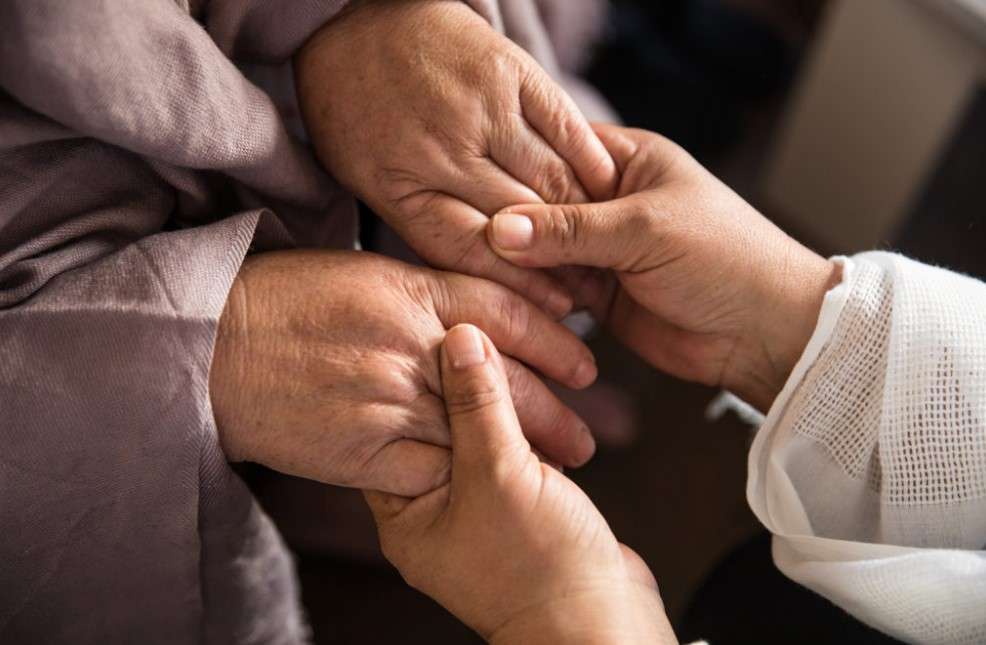
Two women who were raped at the same time during the war holding hands. They did not seek advice from any NGO and have not told anyone about the violation except for their husbands. The sense of shame and stigma has prevented many survivors from speaking out about what happened to them for fear that their reputation would be destroyed. In some cases, women and girls were expelled from their homes when families realized that they had been violated.
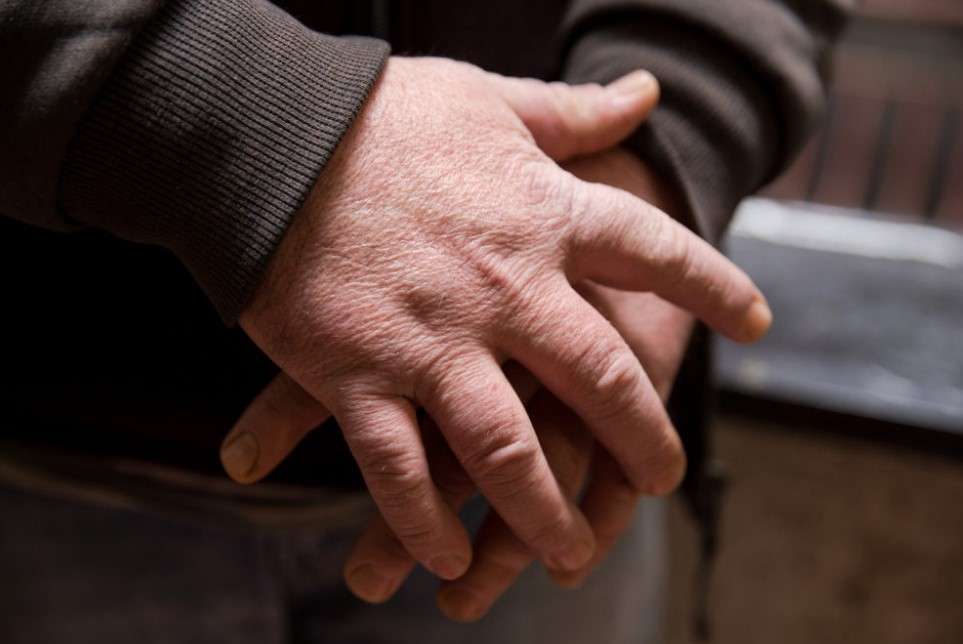
Luli [not his real name] is a man who was sexually violated and received treatment and advice from the Centre for the Rehabilitation of Victims in Pristina, where he was also photographed. This NGO is one of four in Kosovo helping survivors of sexual violence. He was raped by Serbian police officers when he was only 21 years old. After the rape, he returned home bloody and beaten, telling Father what had happened to him. His father's response had been this: “We can't tell anyone because family honor would be lost and we would have to leave this place. ”
Luli later married, and after a few years, she decided to share with her. She left immediately the next day. Then he got married again and has not yet told his second wife. Luli also applied for government retirement, though he did so secretly.
Vasfije Krasniqi Goodman is the first survivor of sexual violence from the Kosovo war to share her story on television without hiding her identity. Last October, she told the audience in Pristina what had happened 20 years ago when she was kidnapped and violated by a Serbian police official, just 16 years old.
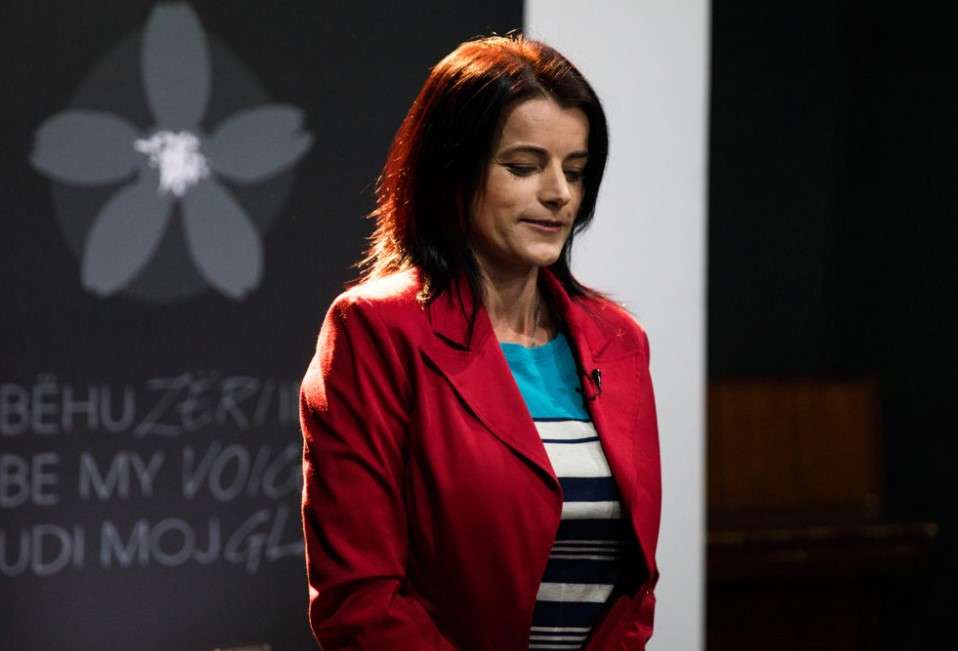
Its confession was released on Kosovo public television. Goodman now lives in Texas with her family and returned home just to show her joy. It continues to confess worldwide as part of “Be My Voice” [ang. Be My Voice, a campaign launched last June on the International Day for Elimination of Violence Against Women by the Center for the Rehabilitation of Torture Victims. The aim of the campaign was to raise awareness of the fight against prejudice and reduce stigma against war violence survivors. Goodman often shares the same platform with other survivors of sexual violence from around the world.