21 minutes ago
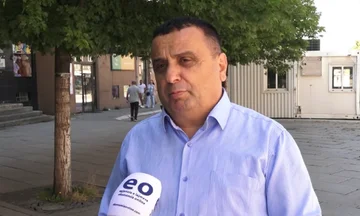
Tahiri: Kosovo leadership is weak in talks with Serbia

Periskopi(8 years ago)
(8 years ago)The political influences Serbia is making in Kosovo are dangerous, harmful and have nothing to do with modern European politics, say connoisseurs of political developments in Pristina. According to them, Serbia's current policy in relation to Kosovo is not good neighbourly policy and deepens even more divisions between two [...]
According to them, Serbia's current policy in relation to Kosovo is not good neighbourly policy and deepens even more divisions between the two countries.
Serbia's role in Kosovo is estimated to have been significantly empowered since the moment the Serbian List was formed, the subject that accepts functioning within the institutions of the Republic of Kosovo, but only according to the directives and political guidelines of Belgrade and the president of Serbia.
Through the Serbian List, Belgrade, analysts estimate, it holds back the constitutional changes needed for the formation of the Kosovo Army, then implementing necessary constitutional and legal reforms, as well as unable to decide on specific cases when it comes to implementing some agreements reached in Brussels, between Pristina and Belgrade.
Politologist Ramush Tahiri told Radio Free Europe that Serbia's influence on the Serb population and the mechanisms it is using are a dangerous policy, since, according to him, the Serbian state in this case uses state mechanisms against another country and against another population.
This is not in harmony with either the dialogue under way in Brussels, which claims good neighbourlyness and normalisation of relations. But, also, this is not in the interest of Kosovo Serbs because Kosovo Serbs are forcing Serbia's protracted hand of power, which means that they are not accepting collective dignity and integrity as people living in Kosovo, who have equal rights as citizens of Kosovo, and who hold responsibility for their development and progress within Kosovo”, Tahiri said.
He stresses that Kosovo politics should be a policy that offers all citizens, which works according to the principles of the European Union. Kosovo, Tahiri highlights, should be committed to the international arena to denounce Serbia's negative engagement in Kosovo.
Kosovo's “Policy is sometimes not original and there is no internal dialogue even with Kosovo Serbs, as well as sometimes there is no clear platform that is incompatible with laws and also in Kosovo's constitution. Kosovo leadership is weak. There is no very sincere policy, but also the EU is not clear enough to have Serbia speak on the basis of the well-known principles of state behaviour in the” international arena, Tahiri said.
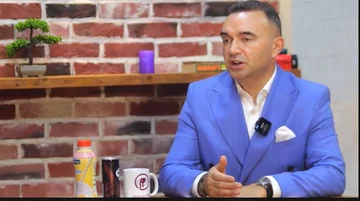
On the other hand, political analyst Ismail Hasani, speaking of Radio Free Europe, stressed that Serbia's actions and its influence in Kosovo through certain circles are the last actions he wants to have, as according to him, the international factor is insisting that Serbia reach a normalisation agreement with Kosovo as soon as possible.
I think it's the last card Serbia wants to play, normally under EU and US pressure, and all international factors that think Serbia should end the conflict and end dialogue with an interstate agreement. Normally given the diametrically opposed positions of President Vuciq”, Hasani said.
He says the biggest influences that are occurring are through political representatives of the Serbian List party, which is part of Kosovo institutions.
The recent and present “is the attempt to expose some leaders, so-called political leaders, and their incriminating into political life through the Serbian List, which has operated for years in the northern part and suspected of various charges, of various abuses or even smuggling”, Hasani said.
Given the post-conflict reports between Serbia and Kosovo, the European Union is facilitating political and technical dialogue between the two countries in an effort to reach a final agreement on normalising relations. / REL/