12 hours ago
The mineral without which the organism cannot: It relieves headaches, calms nerves, protects the heart

Periskopi(8 years ago)
(8 years ago)The importance of magnesium in daily food is increasingly in place. Magnese is one of seven basic microelements important for normal functioning of the organism, but research shows that more than 50 percent of the population receive this mineral in less than necessary amounts. Symptoms of [...]
Magnese is one of seven basic microelements important for normal functioning of the organism, but research shows that more than 50 percent of the population receive this mineral in less than necessary amounts.
The first symptoms of a lack of magnesium in the organism are concern, uncalmed leg syndrome, and driving, insomnia, sleep problems, and fatigue.
For these causes the supplement is sometimes necessary, it transmitsgraphy.
Along with calcium and vitamin D, magnesium is important for building bone tissue, metabolic, energy production, and protein synthesis, and fatty dryers.
Magnese helps with these situations:
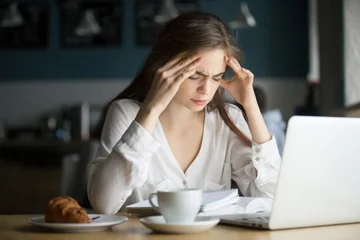
The Pain of the Head
Magnese contributes to reducing sensitivity to daily stress and reduces the frequency of headaches in people with migraines. People need increased psychic loads.
Eating
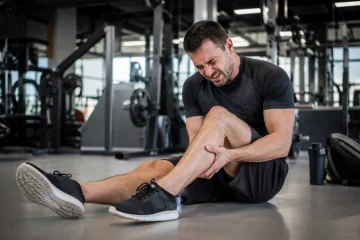
Due to the loss of minerals, most suffer from lower extreme muscle cramps, so the softness of the cramps is recommended by increased magnesium seizure, which also eases the difficulties associated with the SPM, but also reduces high blood pressure.
Nervosis
In doses of 200 to 400 mg a day, magnesium impedes muscle cramps and offers mild calming. Often it is because of good action in the nervous system.
Sleeplessness
Magnesia is the natural antidote to insomnia. The absence of magnesium can cause sleep disorder, seizures, muscle vibrations, or cramps, exciseity, nervousness, and pain.
Protecting the Heart
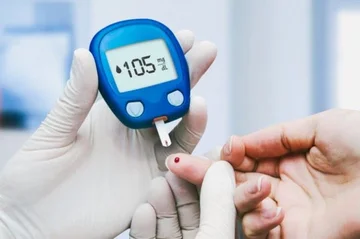
Magnese normalizes heart rate, reduces blood pressure, and carries the tonus of blood vessels. It also contributes to the blood - sugar arrangement.
Chronic Care
Magnese helps produce energy, so it is recommended after physical activities. /Telegraph