10 minutes ago
After Germany, Italy also into political crisis

Periskopi(8 years ago)
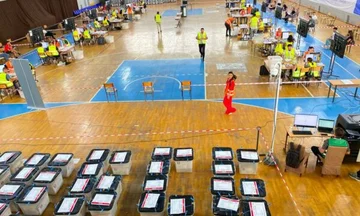
(8 years ago)The political stalemate in Italy, it seems, is not undoing numerous disputes among parties seeking to govern the country. The March elections could not produce a clear winner, nor a possible structure for a coalition, with the single largest party, the five stars Movement, which has refused to [...]
The movement, however, has eased its stance and is now seeking allies, but which party will join it in governing the eurozone's third largest economy, is still unknown. Three are the main parties that can join the movement of five stars and its 31-year-old leader, Louis Di Maio, in government, but that would not be easy for each of them. The “minus five stars” is not positioned on either side of the political spectrum, which makes ideological connections with Italy's traditional left and right, much more difficult.
The easiest solution is its joining with Lega Nord, the far-right party that has similar antilydership views, even though it is much more extreme on the immigration issue. But prior to the elections, the Nord Leg entered the alliance with Italian forces, former Prime Minister Berlusconi.
Di Maio and his party see Berlusconi as antithesis of all they fight for and believe he is part of Italy's corrupt leadership. Mateo Salvin, leader of Lega Nord, and his party, have said they will remain connected to Berlusconi. This makes it a realistic option to unite the five stars with the democratic party, something that it has previously ruled out, despite the fact that it now appears to be changing its mind, follows the TCh.
The Democratic Party and the movement of five stars are said to start talks this week, but differences within the Democrats themselves are huge. For former Prime Minister Mateo Renzi, the five-star movement governance is impossible. “would be a mockery for our selectors”, he says.