4 minutes ago
Kosovo abortions increase

Periskopi(8 years ago)
(8 years ago)Serious economic conditions force many couples to make the decision to abort a child. While it is not an easy decision for mothers who decide to have an abortion and may leave psychological and health consequences. During 2017 the number of abortions marked increases compared to 2016 according to the laws in power [...]
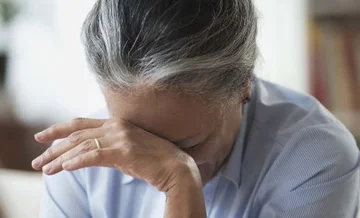
While it is not an easy decision for mothers who decide to have an abortion and may leave psychological and health consequences.
During 2017 the number of abortions has marked increases compared to 2016
Under Kosovo's ruling laws, abortions must be performed only in hospitals that meet the criteria and regulations to conduct such interventions.
This means that many private agencies, according to laws and regulations, should not carry out such a procedure but that it is often true.
The director of the Gynecological Obstetric Clinic, Myrvete Pacharada, in an answer sent to the Arbresh portal.info has said that the number of abortions marked growth during 2017.
“During 2016, the number of abortions has been 111, and during 2017 the number of abortions has seen an increase in 121 sosh”, Pacharada said.
She also added that the most affected age has been the age of 30 to 40.
Asked what the causes of abortion were, she has replied that the woman's <x0 ..." social conditions and health causes”.
The most frequent cases are the health and social issues of the woman”.
Pacharada also mentioned that gender - related Obstetrical Clinic does not have abortions.
Asked what the consequences of abortion are, Pacharada has responded that “are those of early complications”.
“The effects of abortion are early ones like bleeding, infections, cervical injuries during intervention, as well as late complications is also the sterility of women”, she said.
While adding that they possess only information about the Gynecological Observatory, private hospitals and ambulances do not possess it.
The abortion is performed in many private municipalities without medical indicators and willfully.
Portal Arbres.info learns that the minimum price for such a period is 200 euros, and it is raised depending on the administration and the doctor responsible.
But how are the abortion issues in Kosovo regulated?
Under the law in effect, a female over 18 years could decide for the selective break-up of pregnancy, deliberately and willingly, until 10 weeks. This is calculated from day one of the last menstrual cycle.
Under 16 years, the consent of a parent or a legal guardian should also be taken to give the doctor the right to conduct this procedure.
On the other hand, education of pregnancy can occur until the end of the 22nd week of pregnancy or until the fetus reaches 500 gm.
Sociologist Ferdi Kamberi in a pronomation for the Arbre portal.info said there are a host of factors why women have abortions.
There are a number of factors why women can abort some of them: some women abort early because of recommendations from doctors that one can cause health complications or even death, others feel emotionally and psychologically unprepared to become parents (to take new responsibilities), in some cases abortions also occur as a result of rape, incest, early pregnancy, etc.”, Kamber said.
According to Camber, abortion also occurs as a result of socioeconomic factors and no adequate family planning.
He also adds that high unemployment is a factor that causes women to have an abortion.
The high unemployment that generates poverty and poor social well-being are certainly among the factors that drive women to abort”, Camberi said. According to him, the consequences of abortion should not be closely related to family planning. “The consequences of abortion may be one that is closely related to family planning, because abortion actually means family extinction and social medical studies say that women who have abortions may have high standards that do not become pregnant again, especially young mothers or mothers who have first birth”, he added,
Kamber mentions that the effects of abortion can also be of psychological, health, and social nature.
Other consequences are to be psychological, health and social nature, in particular problems with emotions, problems with adopting new life, and social integration, problems different from post-born depression, as well as other” consequences, Kamberi said.