2 minutes ago
Knowing Continues to Be a Challenge

Periskopi(8 years ago)
(8 years ago)New recognitions and round-up of international subjectivity with membership in the United Nations remain the main challenges for Kosovo, even 10 years after the declaration of independence. With 115 recognitions, Kosovo is estimated to have already created an international subjectivity, but not complete, unless it provides even a normalisation of reports with Serbia, from which [...]
With 115 recognitions, Kosovo is estimated to have already created an international subjectivity, but not complete, since it does not ensure even a normalisation of reports with Serbia, from which it has declared full independence with the support of international allies on February 17th 2008. This normalisation is believed to have opened Kosovo's doors towards its UN membership.
The achievements and aspirations of the state of Kosovo have been discussed as a topic by the Diplomat Academy of the Ministry of Foreign Affairs, where the very issue of international recognition and subjectivity has dominated.
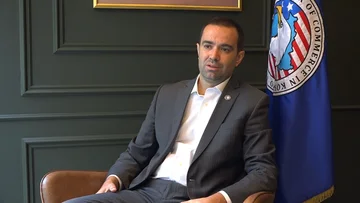
The president's assistant to the Council for Tolerance and Peace, Nabil Ayad, said new recognitions remain the main challenges for Kosovo.
Kosovo has faced and continues to face many obstacles about its perspective, security and existence”, Ayad said.
He recalled that Kosovo's independence came true only after the bloody break-up of the former Yugoslavia, NATO intervention, the deployment of Kosovo under the provisional administration of the United Nations and the declaration of independence, which was later accepted as legitimate even by the International Court of Justice.
“There are currently 115 states that have recognised Kosovo and know that the Government is working hard to increase the number of recognitions”, Ayad said, praising new recognitions as very important to Kosovo's international subjectivity.
Meanwhile, Rayhan Vunqi, deputy minister of foreign affairs, said the state of Kosovo had no easy way to its citizenship.
Kosovo, she underlined, is engaged in both the foreign and the internal plan to build a democratic and equal society.
Until today, Kosovo has recognised 115 states. Of them 112 of the 193 member states of the United Nations, 23 of the 28 European Union member states, 25 of the 29 NATO member states, or 37 of the 57 member states of the Organisation of Islamic Co-operation”, Vunqi said, unclaring the number of recognitions according to international organisations.
But, she underlined, Kosovo is still facing obstacles, different barriers to recognition, stemming from the influence of powerful states like China and Russia.
Besides challenges from the foreign policy and diplomacy field, Kosovo's internal challenges have been cited.
After several years of fragility from the security aspect, it was now estimated that Kosovo has an internal stability, with interethnic reports no longer seen as the main problem, as they once were.
Meanwhile, the separate challenge was said to remain the formation of the Kosovo Army, with which its security and defence structures would be rounded up.
Burim Ramadani, deputy minister of the Kosovo Security Forces, said that converting KSF to the Armed Forces remains one of the country's main political goals.
“We want to join NATO and for NATO to stay in Kosovo. We are in intensive process to transform KSF in the Kosovo Armed Forces. We aim to reach the stage of dialogue for NATO membership and get involved in the” peace programme, Ramadani stressed.
On February 17th, Kosovo will mark the 10th anniversary of independence.
However, these past two years, Kosovo institutions have faced serious problems and crisis in decision-making, which has been estimated reflected in Kosovo's isolation, leaving it alone outside the visa liberalisation process, and also, these crises have been reflected in Kosovo's integration prospects in the European Union.