13 minutes ago
The plastics are driving the planet.

Periskopi(8 years ago)
(8 years ago)Facing images of turtles covered in plastic bags, garbage - covered beaches, and ocean - floating waste islands, environmentalists say that the world urgently needs to combat plastic pollution, which is seriously affecting the planet. The whale caught in Indonesia, with six kilograms of plastic in its stomach, is [...]
Facing images of turtles covered in plastic bags, garbage - covered beaches, and ocean - floating waste islands, environmentalists say that the world urgently needs to combat plastic pollution, which is seriously affecting the planet.
Indonesia's six - pound [6 kg] plastic whale in its stomach is bringing plastic pollution into the limelight. Environmental experts, however, are optimistic.
The exposure will make plastic problem difficult to ignore, and attention will focus on the best way to deal with such waste.
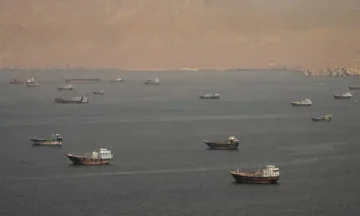
Eight million tons of plastic are poured into oceans each year, according to a study in Science magazine. But that's just the amount of plastic coming from the ground, said Francois Galgan, a researcher at the French Institute Ifremer, assessing that two million tons can come from ships, especially fishing boats.
As a result, more than 700 mainly water species are affected, including turtles that confuse plastic bags with sea jellyfish they feed on, Galgan said.
The European Union wants to ban certain types of one-time plastic until the end of 2021. For Galgan, this would be good news, for it would represent about 30 to 40 percent less plastic that ends in the oceans.