11 minutes ago
Big promises give the candidates for mayors. Will they?

Periskopi(9 years ago)
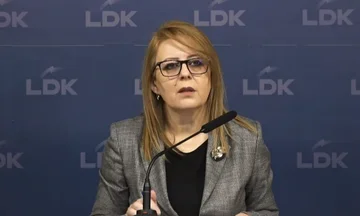
(9 years ago)The campaign of political parties participating in the October 22nd local elections in Kosovo, initiated days ago, is being conveyed with promises from different backgrounds. For the upcoming four-year term, mayoral candidates pledge that they will significantly improve the lives of citizens. They promise improvements in public services, investments in infrastructure, education [...]
The campaign of political parties participating in the October 22nd local elections in Kosovo, initiated days ago, is being conveyed with promises from different backgrounds.
For the upcoming four-year term, mayoral candidates pledge that they will significantly improve the lives of citizens.
They promise to improve public services, investments in infrastructure, quality education, job openings for young people, improved social welfare, investments in various economic and similar areas.
These promises by analysts are being considered quite ambitious, and some areas even unalterable.
Political affairs analyst Imer Mushkolaj told Radio Free Europe that there are promises of candidates that clash with competencies that they may have as future mayors.
The candidates for mayors are also giving promises that cannot be realised, not because the will of future mayors is lacking, but because they are not in their jurisdictions, but are in central level competencies”.
Unfortunately, as is common in Kosovo, central power has largely made the difference in investment and has supported more municipalities, which have been led by leaders who have met parties assigned to the coalition. This could be expected to continue the same situation this time, says Mushkolaj.
Meanwhile for economic affairs expert Naim Gashi, promises of mayors for investment compared to past elections are more rational.
“Now we are not seeing megalomane promises that they will be invested in a municipality of 70m or 100m euros as they have been in the last campaign, because Kosovo citizens have realised that all those promises are untrue and electoral fraud. We are now more receptive to promises, which made citizens directly linked to those promises that are giving candidates to lead in the next four years”, Gashi says.
Meanwhile, attracting foreign investment to specific municipalities promised by mayors, Gashi considers it feasible.
But, as he says, for these investors, local power should create a favourable business and welcoming climate.
Foreign investments depend on both the central and the local level. If the competencies are spoken of to encourage foreign investors, local power has the competencies both in terms of tax creation and then in the creation of a favourable and welcoming climate. We have so far seen the opposite where Kosovo municipalities have been obstacles to the coming of investments in Kosovo and hope that this will not continue in the future”, Gashi says.
Meanwhile meaningless in this election campaign for analyst Imer Mushkolaj is considering to be the promises political party leaders are making.
The “is meaningless in a Kosovo municipality when residents face very practical problems that they have not been able to realise, promise visa liberalisation, or be promised by the leader of a particular major agricultural subvention or vine. In this situation it would have to be real and citizens have the idea of what can be accomplished and what not from the municipal level, forgetting for a moment the support that can come from the government”, Mushkolaj says.
The mayor is elected by over 50 per cent of the vote by the total voter turnout.
And if that percentage is not secured in the first round, then the two candidates with the most votes will also submit to the runoff race.