7 minutes ago
How can you combat insomnia and sleep safely without medication?

Periskopi(9 years ago)
(9 years ago)Anyone who suffers from bad sleep knows that you are living a miserable life. And the numbers are growing rapidly. According to the recent edition of a British poll more than 51% of us now struggle to sleep at night, while women are three times more affected than [...]
According to the recent publication of a British poll, more than 51% of us now struggle to sleep at night, while women are three times more affected than men.
Tests collected by 20,000 adults showed that 93% of those suffering from insomnia report low energy levels and 83% complain of bad humor. 77% of them have concentration difficulties and 64% say they are less productive at work, while 55% say they have difficulties in dealing with relations.
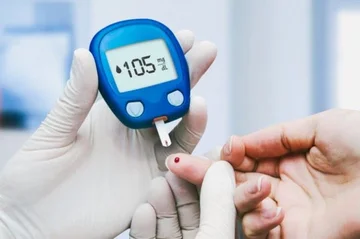
But the consequences are even more severe, poor sleep can increase the risk of developing diabetes, including depression, high blood pressure, and heart attacks. Researchers at the University of British Columbia suggest that every hour of sleep at night can cost us an IQ (intelligence related) point the next day.
Most insomniacs are treated with drugs, but many pills have undesirable side effects, and the results of the study suggest that they do not solve long - term sleep problems.
So how can we do something to improve sleep without drugs? Colin Espie, professor of clinical psychology and director of the University of Glasgow Center Sleep, focus on what he calls “sleep hygiene”: our bed routine and the physical environment in which we try to sleep. Espie believes that these factors are simply estimated for 10% as a solution to sleep problems: the <x2nd> most people with insomnia have slept well because they have taken care of easy sleeping”. But most experts agree that going to sleep is a change.
Light
A dark room is important for a good sleep. Also try to avoid the light blue “” less than two hours before you lie in bed. Research by the Research Center suggests eliminating light from tablet, laptop and smartphone screens, as many of us find it as daylight light and keep us awake, even though this has been a controversial idea. Bedrooms should have a comfortable temperature (about 18 degrees C), quiet and well ventilated, with comfortable beds and pillows.
Food, drink, exercise
Anything that stimulates the system, such as caffeine (even though some experimental studies show that a cup of coffee can last only three minutes of waking time), alcohol, chocolate, tobacco, a heavy meal, or exhausting exercise, will make the time to sleep more difficult. Aim for a regular, balanced diet and not overindulgence late at night. Twenty minutes a day of exercise will make a big difference in sleep, but not before you go to bed.
“
According to research at Texas University, “debt” so the time of sleep that we often get on weekends for other activities is good for “paid” but not over-excessing. Save sleeptime: Prolongation of bedtime is recommended only if you are too tired to function.
Age
Sleep regulations and hygiene apply to all, but you should know that there are more difficulty sleeping at an old age. Research by Washington University shows that older people spend less time in deep sleep.
Ninety percent of the battle is in mind, and that is why, because cognitive behavior therapy and speech therapy are already being seen as a more beneficial option. /Telegraphy/