16 minutes ago
For 10 years, the diaspora brought 6 billion euros to Kosovo

Periskopi(9 years ago)
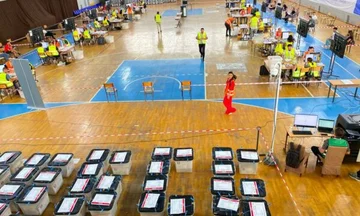
(9 years ago)The debate over the diaspora's contribution to Kosovo has recently been renewed. This debate was current following the result of local elections and votes coming from the diaspora. At this time the debate on the diaspora contribution to Kosovo, Periscopi brings you a scripture that was published by Radio Free Europe months ago. [...]
A scripture published months ago by Radio Free Europe says that the amount of remittances that enter Kosovo annually is about 600m euros, except for 2011 and 2012, which could be followed by problems and financial crisis in the eurozone, in countries from which came mainly remittances to Kosovo.
In 2016 remittances have reached a value of 691m euros, higher value after financial crisis and economic recession.
So said a report published by the Institute “Riinvest”, where Kosovo ranks in top five countries in Europe with a large percentage of remittances by about 17 percent of the Bruto (PBB) domestic production in 2015.
Experts on economic issues, meanwhile, say remittances are vital to maintaining the economic development trend since after the war.
Experts Naim Gashi had told Radio Free Europe that emigrant remittances have influenced poverty reduction and the welfare of families in Kosovo.
According to him, however, it is now time to change the orientation of these tools.
Our “Dypora has rebuilt Kosovo after the war, out of 200 thousand destroyed residential objects, about 150 thousand were built by the diaspora. They have also continued with their contribution to Kosovo's economic development, through remittances, but also investments they have begun to make in their homeland”, Gashi has told Radio Free Europe.
On the other hand, in the Institute's report “Riinvest”, the diaspora is said to be viewed as a major asset by Kosovo citizens, and its potential use is to be a priority by each government. But the handover of this part of the population has not produced tangible results in Kosovo's integration into Kosovo's economic, political and social environment.
Taking into account the importance of the diaspora, Naim Gashi, considers that this part of society should also have seats in the Kosovo Parliament, for reasons, as he says, that in addition to the financial capital they have accumulated in European Union countries, they have gained professional experience in various areas.
“Diaspora would have to have seats reserved in the Kosovo Assembly, at the same time the Diaspora Ministry would have to continue to exist, but not only in terms of interconnection, in language terms {x1>.
“Well, the economic component under the Ministry of Diaspore would have to be extremely empowered. Because our diaspora has great potential and has received great experiences in European Union countries and other countries”, Gashi has said.
However, representatives of civil society in Kosovo have sometimes suggested that the serious economic situation and high unemployment rates have “tasked” their families living abroad to help them send money.
According to the recent job force survey released by the Kosovo Statistics Agency, the unemployment rate in Kosovo is reported to be about 29 percent, while employment is about 30 percent.