16 hours ago
The baby's soft head, that's what we should do (Photo)

Periskopi(9 years ago)
(9 years ago)Often mothers worry about the soft head of their newborns. Here's what you need to know about taking care of your child's head. In the newborn child, the bones of the head are soft. Sometimes the head may suffer deformities that are soon regulated. The skull bones of the newborn child are still [...]
In the newborn child, the bones of the head are soft. Sometimes the head may suffer deformities that are soon regulated. The skull bones of the newborn child are still unconnected.
There are areas on the head that are soft membraneous, boneless, called fountainella. Most of them are closed to the east, except for the fountain on top of its head and ovary shape, it transmits Telegragraphy.
The Fountain closes between 10 and 18 months. Mothers should be careful that they should not be pressured by force. This fountain affects the development and growth of the skull and the perimeter of the head through which we value the development of the central nervous system.
The bigger the head, the bigger the brain, the bigger the psycho-mortem development of the child. The head perimeter grows during the first quarter of life, on average, twocm per month.
During the second quarter, it grows onecm a month, and during the second six-month period, it grows a total of 3cm. During the second year, growth is about 2 inches. So it's important that the fountain doesn't shut down prematurely, because it prevents brain growth inside it.
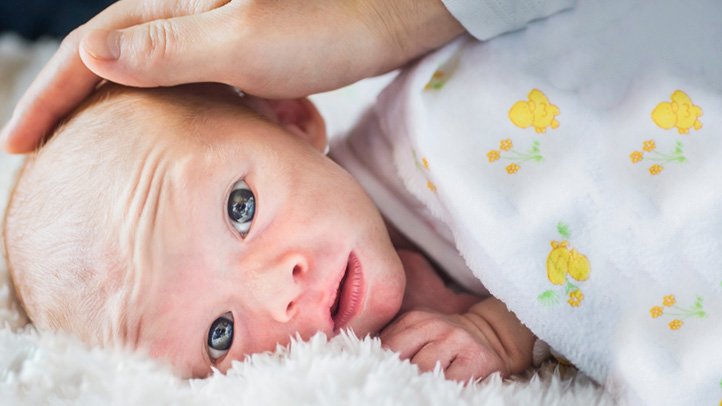
Bone softness
If the child has average and high temperatures, the fountain swells more than usual. It is important to put an ice tube (screw some ice on a towel) on the top of your head constantly.
If the child shows increased perspiration, the sun's softer - enough fountain allows fingertips, hair residues on the pillows, then it is a general problem of decapitation that is treated with vitamin D and calcium.

What should we do?
Mothers need to exploit porches, balconies, and parks during the warm season because doctors recommend good sunlight for all children, and especially for children with the problem of priscateism.
Good morning sunshine is very advisable for young ones. It helps the bones of the body absorb vitamin D and calcium, very essential for their strength.
Daily exposure for a few minutes to the sun is ideal for this function. Cover his head with a hat and body in cotton.
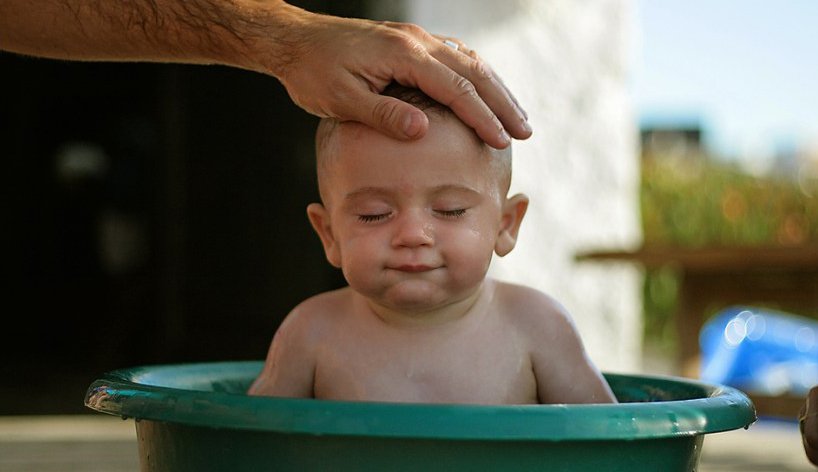
To wash your child's head, use delicate shampoos made for your child's soft skin. Young mothers should not worry, since washing does not harm the child's soft head, you should be careful.