5 hours ago
If you're stuck in your fingers by super glue, that's the first thing you have to do.
Periskopi(6 days ago)
(6 days ago)Dermatologist warns that hard pull and sharp tools can seriously damage the skin
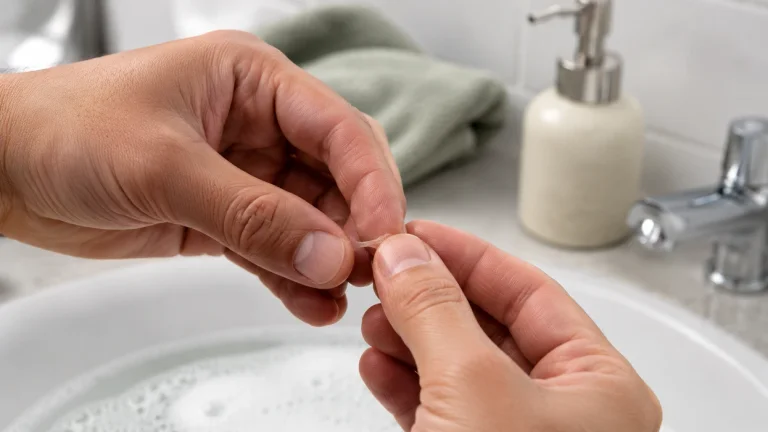
A strong glue can become a big problem if, during your chores, your fingers stick to each other or if you stick something you didn't plan. The problem lies with cyanacryli, the powerful ingredient found in super glue, and similar products that are not easily removed.
The simplest solution to remove the glue from the skin
Dr. John Anthony, dermatologist in Cleveland Clinton.
Good play is that your fingers won't remain attached forever. Although super glue is extremely strong, it is not permanent and the bond can be severed. The simplest solution is to try to wash the next part of your body or keep it immersed in hot soapy water. Hand soaps or container detectors do well toward glue. Washing usually softens the glue and weakens the bond, especially if you act within minutes before it is fully strengthened”, recommends Dr. Anthony.
His view is essential. So it could take 10 to 15 minutes for him to start releasing. When it begins to break, rub it or remove it gently, without being pushed by force, it broadcasts thegraphy.
Fat or oil products can also help
Oil - based or fatty products can penetrate beneath the dry glue and soften its bond with the skin, points out Dr. Anthony. Some may even have them at home and are safe for skin, such as:
- vazelin
- Baby oil
- mineral oil
- Olive oil
- coconut oil
- plant oil
- Hand cream.
Whatever product you choose, massage it gently on your skin and let it operate for about 10 minutes so that it softens the super glue. When he begins his release, rub it or remove it slowly and carefully.
Ace for your nails
Most manicure removal tools contain aceton, a strong chemical solver that can break down manicer. The aceton can also break down the cianocrylin, the compound that gives the super glue its strength. However, dermatologist Anthony cautions, for aceton is not soft to the skin.
Aceton-based products can remove super glue from the skin, but they can dry it and irritate it. Use the least possible amount, and don't mix it with any other chemicals”, warns Dr. Anthony.
If you decide to use this method, place a small amount of tool for removing aceton manicure into a cotton, or soft rag. Cut the next area and wait until the glue is tamed. Then rub it or take it gently. Then, of course, wash the area with soap and water, and wear hydrated cream.
Dr. Anthony points out that even aceton - free manicure tools can remove super glue from the skin, but they operate much slower than aceton products.
What should you not do when trying to remove the super glue?
You must understand that the word “upper” indicates that you have a very strong glue. Thus, safe separation is a process that should not be hasty. Dr. Anthony advises:
- Do not force the skin attached to super glue because you can damage your skin and end up with painful bubbles or worse.
- Do not use sharp objects, such as razor, scissors, or knife, to cut off the glue. You can cut your skin and make the problem worse.
- Do not use snorkeling devices, such as marble paper, to make “player” glue. Such material can damage the skin by causing scratches and cuts.
- Do not use hot water to try to “capture” the glue because it can burn the skin.
- Don't use hard chemicals to cut the super glue, because you risk burning chemicals.
“Scila from these methods can irritate and damage the skin. There are safer and more efficient ways of”, warns Dr. Anthony.
He recommends that medical attention be immediately sought if someone swallows the super glue or falls on the face or in the genital area.
Also, it's good to seek medical help after a super contagious incident if they appear:
- intense pain
- Rise
- numbness or Drift
- Serious allergic reactions. /Periscope/