5 hours ago
Why not use the fan during the heat wave?
Periskopi(14 hours ago)
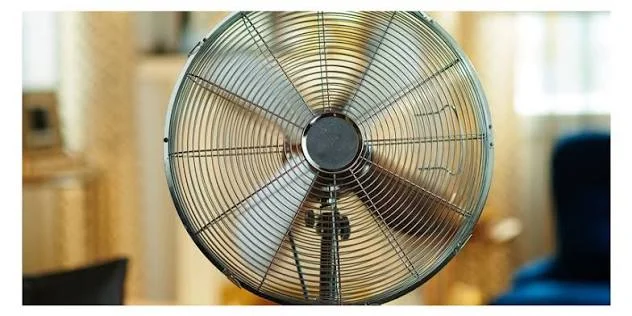
(14 hours ago)The battle for cooling is at its peak. For many, the first instinct is to light a fan.
But even the best ventilators only help to one point, after which they can become not only useless but dangerous, writes The Telegraph.
When Ventilators Become Dangerous
The United Kingdom Health and Security Agency (UKHSA) states: “Mechanical vents can be used to increase airflow if temperatures are below 35 °C. At this temperature, ventilators may not prevent heat - related diseases and may make dehydranation worse. ”
The National Health Service (NHS) has issued similar instructions, saying that <x1-venture electricity could help if temperatures are below 35 degrees.” In extreme heat, an electric fan is only in danger of pushing hot air through the room, broadcasting Clancosova.tv.
With the Meteorological Officesuing red and orange warnings of extreme heat, experts have offered more detailed advice on how to better cool your home.
Keep the heat out
Keeping the inside of your cool home is the first step toward success. Sophie Wells, a spokeswoman for the Meteorological Office, recommends “closing all curtains and bars in windows facing the sun and keeping doors and windows closed during the hottest part of the day”.
The closing of bars and windows will help keep the interior spaces fresher than those outside, because warm air is locked out and the sun cannot warm the rooms so easily.
Reduce unnecessary heat sources
For the hottest part of the day, between 11:00 and 1500, it's better to stay inside. UKHSA advises: “electric lights should be kept at minimum and equipment should not be put on hold because this also creates heat.” If you must go out, do not forget to apply sunscreen, wear a hat, and light clothing.
Hydraging is the key to a good night's sleep
The difficulty of sleeping is one of the main problems we face during high temperatures. According to sleep scientist Dr. Sophie Bostock, the drop in our body temperature at night helps our body prepare for sleep. This cycle is interrupted at temperatures over 15 degrees Fahrenheit [25 ° C], making it more difficult to achieve sleep and less regenerative.
Besides recommending the maintenance of the cool bedroom, Dr. Bostock also recommends staying hydrated throughout the day, which promotes perspiration to cool the body. Eating also increases your body temperature, so try to have dinner at least two hours before bedtime.
NHS instructions recommend: “Eat cold foods and drink cold drinks regularly. Stay hydrated, but avoid alcohol, caffeine, and hot drinks. Take cold showers or put cold compresses on your skin or clothes. ”