22 minutes ago
Who is the PRO and AUND Obadiah? Today, the meeting that will explain much within the LDK.
Periskopi(2 hours ago)
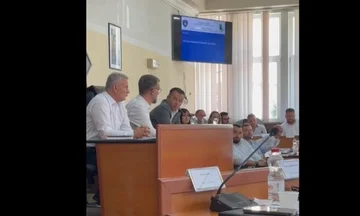
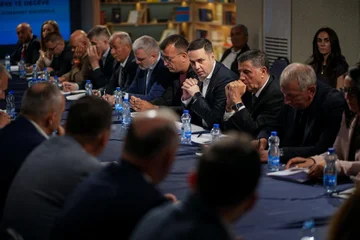
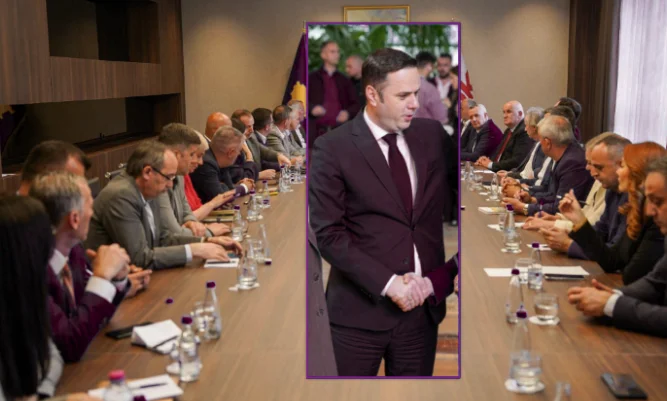
(2 hours ago)The Democratic League of Kosovo is expected to hold today a joint meeting of the party's leadership with branch leaders, at a time when this political subject is facing tensions and deep frustration after the result in recent elections.
Enis Rrustemi, Periscope
According to sources PeriscopeAt this meeting, the current situation within the party is expected to be discussed, the reshuffle process, as well as further political steps.
Who's in favor and who's against Obadiah?
In the Pristina municipality, The LDK has a total of five [5] branches.
According to Periscope sources, branch 1. 2 And five are. KU BUY So that Obadiah will be president of the party even further. As Branch 3 and 4 are at his side.
Apart from the branches in Pristina, KU BUY Obadiah is also: Peja, LipyanMitrovica, Kline, Prizren, Rahoveci, Gjakova, Decani.
Already responsible for the election outcome [from Abdixhiku] have sought even senior party figures, such as: Avdullah Hoti, Hykmete Bajrami, Arben Gashi, Imri Ahmeti, Gazmend Mujajer, Driton Selmanaj, Rzazarta Krasniqi, Florian Dashi.
"The LDK is nobody's property...", written among other things Avdullah Hoti, thus expressing the discontent of the election result.
Internal elections are the solution, to behave with dignity, because positions are not permanent", Hykmette Bajrami wrote.
Along with Obadiah are figures like: Besian Mustafa, Xhafer Tahiri, Visar Azemi, Alban Zogaj, Berat Rukqi, Paris Guri and others...
One fact worth noting is that current LDK chairman Lumir Abdjiku turns out to have recorded the lowest personal vote report compared to the total of the subject's votes leading the history of the Democratic League of Kosovo elections.
Compared to past election cycles, where LDK leaders have usually maintained a stronger personal burden within the party's general vote, the election result marks an apparent deviation from this tradition.
With this percentage, it ranks at the end of the spectrum of personal performance towards the party, reflecting a more pronounced division between the vote for the subject and vote for the leader.
Through a graphic, based on the percentage of voters of the LDK's list of voters -- these are the results of the party leaders over the years.
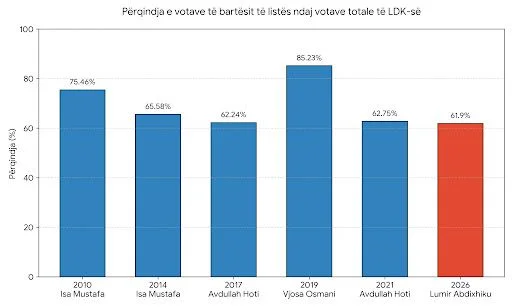
In 2010, when Isa Mustafa was in charge of the party's votes, the chairman/barta of this list had received 75.46% of the vote.
In 2014, when the LDK was again racing with Isa Mustaf, the same had 65.8% of the party's votes.
In 2017, Avdullah Hoti received 62.24% of the party's votes.
With Vjosa Osmani in 2019, 85.23% of the party's votes were held.
In 2021, Avdullah Hoti, again, had 62.75% of LDK) votes.
While in recent elections, where Lumir Abdixhiku, the party's leader and prime minister candidate, received the smallest percentage of votes within the party, only 61.9%.
But this is not Obadiah's only failure.
Comparison to Other Political Leaders
When applied in the wider context of the political scene, the difference becomes even more evident.
According to compared data, leaders of other main parties have managed to maintain a stronger link between the personal and party vote:
* Albin Kurti of VV: 84.7%
*AAK's Ardian Gjini: 81.8%
* Bedri Hamza i PDK: 80.40%
* Lumir Abdixhiku (LDK): 61.88%
This ranking puts the LDK leader prominently below his political rivals, stressing the gap between general support for the subject and its personal electoral capital.
In analysis of these data, Abdidjik appears with an unusually low report of personalisation of the vote within his party an indication that, in a comparable context, positions him at the bottom of the list of leaders.
Finally, from recent events within this party, where discontent has reached its peak, with high figures coming out publicly for reforming the LDK, is the demand for the current chairman's resignation legitimate, which had extremely poor results since taking the party wheel? /Periscope/Enis Rrustemi/