6 minutes ago
Time for the closing rally in “Square Skenderbeu”, Supreme decide between PDK and VV)
Periskopi(a month ago)
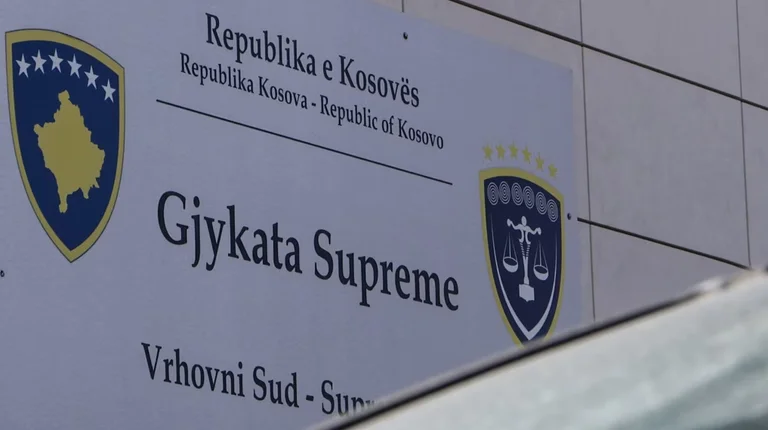
(a month ago)The College of the Supreme Court has rejected the Vetvendosje Movement complaint filed against the Election Panel's decision on Ances and Parashta (PZAP), dated 22.05.2026.
The complaint had to do with rejection of the political subject's request LVV to hold a political rally in Square “Skenderbeu” in Pristina for the June 7th elections.
“In the complaint filed at the Supreme Court, LVV had claimed that PZAP wrongly implemented Article 4 of the No Election Order. 07/2024 and that this institution's decision is flawed in reasoning, stressing that the request of the other political subject -- the Democratic Party of Kosovo (PDK) -- of the date 30.04.26 -- could not create procedural priority, since at the time the Municipal Election Commission (KKZ) in Pristina was still not conscripted”, the court said.
After reviewing complaints, responding in complaint and all subject papers, the Supreme Court said it praised that the complaint is unfounded and that the decision is made PZAP “is fair, legitimate and based on relevant provisions of the Law for General Elections and Electoral Order No. 07/2024 for the Election Field, Field Monitoring and Financial Declaration”.
The Supreme Court found that Pristina's Municipal Election Commission had acted in accordance with Article 4 of Rule No. 07/2024, under which the KKZ could reject the request of a political subject if the required space was previously reserved by another political subject.
“From subject paperwork results in political subject PDK had submitted demand to hold political rally at “Square Skenderbeu” in 30,04,2026, while LVV applied in 08.05.2026, for the same date and location. The Court estimated that order No. 07/2024 stipulates only the deadline for presenting reports of political gatherings and does not provide limits regarding the timing of prefunctioning requirements of the KKZ”.
Similarly, the Supreme Court estimated that LVV's claims regarding the lack of rationalisation of PZAP's decision are unfounded, as PZAP had adequately addressed the issue of functioning of the KKZ and provided clear judicial reasons on the basis of applicable provisions.
As a result, the Supreme Court found that the actual situation has been proved correctly, that wrong procedure violations or law enforcement have not been found, and that the political subject's complaints have not been found. LVV is not supported by relevant evidence. So the complaint was rejected as unfounded, and the decision was made PZAP has been left in power.