4 hours ago
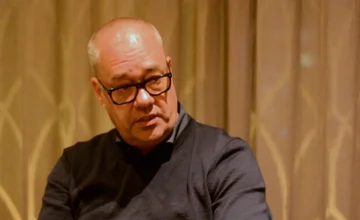
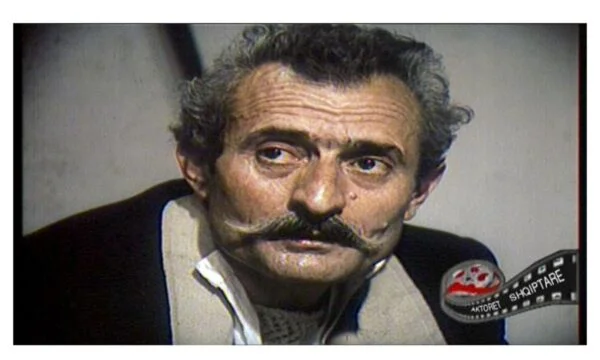
Albanian actor Birche Hassko dies at 84
Periskopi(a month ago)
(a month ago)Albania's renowned cinematography actor Birce Hasko has been separated from life at the age of 84.
Hasco was known for his outstanding interpretations, where he skillfully brought the character <x0-multiful” of the south, making it unforgettable to the Albanian public.
He was born in the village of Dukat, in Vlora, on March 15, 1942. In 1961 he completed a high-school professorial school “Jane Minga”. After completing it, she worked for several years as a teacher and school principal in the villages of Amakaj, Nivica of the Tepelena Circle and Porto of Vlora County until 1965.
He then attended an actor's studies at the High Institute of Arts in Tirana (1965-1969). After graduation, from 1969 onward, he engaged as an actor's professor of skill at the Academy of Arts, where he later served as a dean of the Skeck Faculty of Art in 1989-1994.
On stage and screen, Hasko was particularly prominent in the roles of the comic and popular character.
Theatre performed images such as Milo Tafani in “Shiul on beach” (1983) by Theodore Lacho, Abbas Kola in “The two-way house” (1984) by Ruzhdi Pulaha, as well as Shazo at “The fisherman's family” (1984) by Sulejman Pitarka.
He was known for a particular performing nature, where comical and <x0-virtary elements of characters were converted into pieces of his artistic style, creating an original and difficult game to repeat. His individuality was especially shaped in cinematography, where in secondary roles he built live, plastic originality, and strong scientical expressions.
During his career, he has achieved 32 film roles, including the following:
“When dawning a day” (1970) Solo ballist,
“Osmani,
“Tosun Bachi,
“consert in 1936” Telly,
<x0) Mete Aliu,
“and comes a day” (1986) Uncle Alush,
“
<x0)
As well as loving enemy “” (2005) Jewish businessman
His game was characterized by relaxed and spontaneous humor, the building of vivid and authentic characters, the expressy mimics, and a strong sense of rhythm in interpretation. The use of concrete speech, often with elements of Laberian dialect, and the particular way of communicating gave its roles a distinctive artistic identity.
In addition to the performance, he has made a broad contribution as a professor, preparing students for actors and putting on many stages, fragments and 18 dramatic, complete works. On November 13, 1989, the title was given “Artist Merit”, in 1995, received the university title “Professor”, and was later honoured with the title “Great Master”. / TCh/