6 hours ago
The United States imposes blockades on Iranian ports, stops traffic at Hormuz Trump confirms the deadlock
Periskopi(3 months ago)
(3 months ago)The United States Army announced that it would begin a blockade against all Iranian ports and coastal areas on Monday, easing President Donald Trump's earlier pledge to completely block Hormuz' strategic plight, as the first reports indicated ships had stopped crossing this waterway. This [...]
The United States Army announced that it would begin a blockade against all Iranian ports and coastal areas on Monday, easing President Donald Trump's earlier pledge to completely block Hormuz' strategic plight, as the first reports indicated ships had stopped crossing this waterway.
The move came after marathon ceasefire talks between the US and Iran in Pakistan ended without agreement, setting the stage for possible confrontation. Iranian leaders pledged to counter the blockade.
US Central Command (CENTCOM) announced that the blockade will begin Monday at 10:00 according to the US's eastern time (EDT), or at 17:30 in Iran, and will be impartially implemented on ships of all countries entering or leaving Iranian coastal ports and areas, including all Iranian ports in the Arabian Gulf and Oman's Bay”. CENTCOM added that it would still allow ships travelling through non-Iranian ports to cross the straits, a retreat from the president's earlier threat to block the entire strait.
Trump later confirmed the departure time in a post on his Social Truth network.
The announcement of the blockade halted the limited traffic of ships that had been resumed in the straits after the ceasefire, according to an early report by Lloyd's List Intelligence. According to marine trackers, more than 40 commercial ships have been passed from the start of the ceasefire, from about 100 to 135 passing ships a day before the war.
Later Sunday, Trump expanded his clash over the war with Pope Leo XIV, sharply criticising him in a post at the Social Truth, where he called Catholic leader “weak in foreign policy”. This unusual statement came after Pope Leo had condemned the war and had demanded that political leaders stop and negotiate for peace.
US President Donald Trump has confirmed that the United States will create a blockade that will prevent ships from entering and exiting Iranian ports.
According to him, the blockade will be functional on April 13th, at 10:00, according to the Eastern Time.
Making known the news of blockades, the US Central Command, which is responsible for all US military forces in the Middle East, has said that the blockade will be applied to ships of all states “without any distinction”, and that they will neither enter nor emerge from Iranian ports and sea coasts at “The Arab” Genus> and also known as the Persian Gulf of Oman Bay.
Central Command has provided no more details about the blockade, including the data of how many American ships will be engaged in this direction, but will only be useful for ships intended to enter and exit Iran.
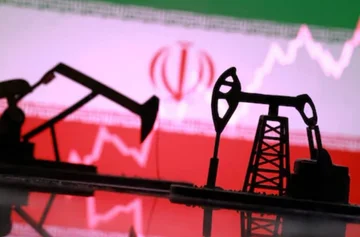
Since the start of the conflict between the United States and Israel on one side, and Iran on the other, Tehran has blocked all maritime traffic in the Strait of Hormuz, affecting sharp increases in energy prices.
Iran has also announced that it will start imposing taxes on ships intended to cross that vital strait for global oil supplies.
The US announcement has come after failing to negotiate with the Iranian side to end the war launched on 28 February.
US Vice President JD Vance has led the US delegation to negotiations that have lasted over 21 hours in Islamabad, Pakistan.
The bad news is we haven't reached a deal. I think it's worse news for Iran than it's bad news for the US”, he said briefly to the media after the end of the meeting.
Iran's nuclear ambitions are believed to have dominated the talks, though Vance has said there have been other major issues in the agenda, including freezing assets and wider tensions in the Middle East.