6 hours ago
Negotiation extensions: Not only Hormuz and uranium, what else Iran demanded that it was not accepted by the US
Periskopi(3 months ago)
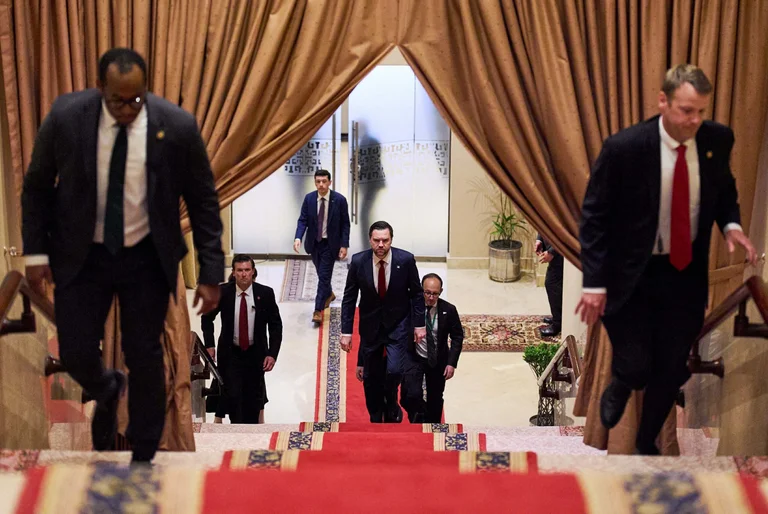
(3 months ago)Wall against wall. That is how international media described the end of negotiations between the US and Iran that failed to reach a peace agreement. Talks continued for 21 hours without interruption, but positions between the parties are still far apart. At least three main issues have hampered an agreement. Reopening Hormuz Strait, uranium of [...]
Wall against wall. That is how international media described the end of negotiations between the US and Iran that failed to reach a peace agreement.
Talks continued for 21 hours without interruption, but positions between the parties are still far apart.
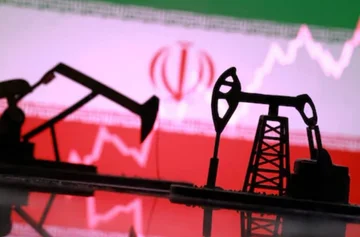
At least three main issues have hampered an agreement. The reopening of Hormuz Strait, rich uranium, much needed for Tehran's nuclear programme and Iran's demand to unlock nearly $27 billion of frozen assets abroad.
These were the points that prevented negotiations between Iran and the United States, according to the report of “York Times”
The United States had demanded that Iran immediately reopen the strait for all maritime traffic, but Iran refused to give up its influence on this strategic oil tank point, saying it would do so only after a final peace agreement and in exchange for a fee.
What happens now? The near future is bleak, filled with uncertainty and pessimism.
Donald Trump has two main scenarios. First: the re-launching of Iran bombings, with the real risk of being stuck in the Middle East war and the worsening of a serious energy crisis, which the US have no interest in prolonging.
While the second option is to continue negotiations to seek a compromise. But this is difficult, because the two countries' positions regarding the regime's nuclear programme and control of the Hormuz Strait are still very far apart.