15 minutes ago
Kosovo has no reaction to the HIPP infant food scandal, EU states take emergency measures
Periskopi(2 months ago)
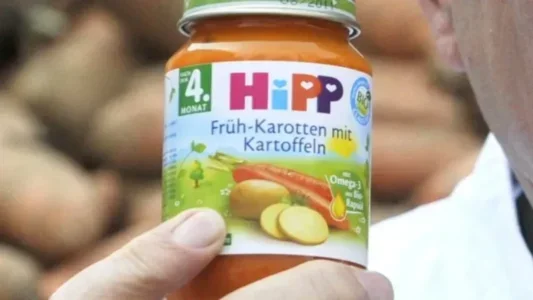
(2 months ago)The food scandal for infants of the HiPP brand has highlighted major differences in institutional response between the countries of the European Union and Kosovo, raising concerns about how to handle the risks related to food safety. European Union states, including Austria, Czech Republic and Slovakia, took immediate measures after [...]
The European Union states, including Austria, the Czech Republic and Slovakia, took immediate measures after food jars for babies contaminated with poison for mice were identified. The institutions responsible in these countries launched investigations, stating that the contamination had not occurred in the production process, but as a result of external intervention by unknown persons.
In addition to the investigation, authorities reported citizens on the risk and demanded that alleged products not be consumed, while they withdrew from the market.
At the same time, no public announcement has been recorded in Kosovo by the Food and Veterinary Agency concerning the case, despite the fact that risk information has been distributed at the European level.
This institution, according to the Food Law, has an obligation to inform the public in cases where there is potential risk of food products.
Article 37 of Law No. 08/L-120 for Food clearly stipulates that the competent authority should inform citizens when accepting information about potential food risks.
Periscope has sent official questions to the Agency to clarify whether concrete measures have been taken but no answers have been returned.
Likewise, Periscope has asked for clarification by Kosovo Police as to whether there has been any requests for investigations by responsible institutions, while no response has been made from this institution.
Meanwhile, in countries of the European Union, in addition to risk reports, concrete guidelines have been given for citizens on how to identify suspected products. Authorities have clarified that contaminated jars can be distinguished by cap damage and the lack of characteristic sound during the opening, usually showing that the product is not manipulated. It has also been recommended that the contents be sniffed and in no case used if there are doubts about its safety.
According to reports published in European media, the case is linked to an attempt to blackmail producers, where unknowns have contaminated several products and later sought financial benefits. Investigations have focused on several locations, including Austria, Czechia and Slovakia, where several alleged jars have been found.
Such cases are not unknown in Europe. Similar incidents have been recorded in the past, where baby products have been manipulated with dangerous substances as part of blackmail efforts. These cases have led to the strengthening of safety standards in the food industry, including the use of protective mechanisms in packing and tracking products through serial numbers. /Periscopi