a minute ago
IK KPS sounds the alarm: Health risks if they take urgent measures against Obilic air pollution
Periskopi(2 months ago)
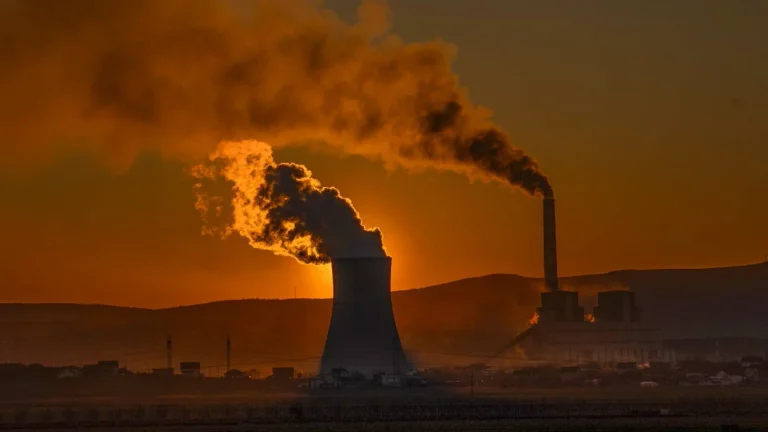
(2 months ago)Kosovo's National Institute of Public Health estimates that if emergency measures are not taken to prevent air pollution coming from Obilics A and B in Obilic there will be health risks, including increased mortality from all causes, especially cardiovascular and respiratory diseases. “Airlight represents one [...]
“Air design presents one of the biggest environmental, health and climate challenges in our country, considered a global public health emergency.
Kosovo thermals (A and B) that use coal as a source of energy can release in the atmosphere harmful substances such as ozone (O3), nitrogen dioxide (NOx), sulfur dioxide (SO2), and particle matae PM10 and PM2.5.
According to reports by the Kosovo Hydromethorology Institute (IHMK) and the Agency for Environmental Protection (AMMK) in Kosovo, the energy sector is responsible for 40% of air polluting emissions, where the release of smoke and dust increases the concentration of long-standing air particles in the surrounding environment.
More than 90% of them when absorbed by the mucosa of the upper respiratory system have an impact on increased incision of respiratory infections in children, the elderly, pregnancy, chronic illness, and open - air workers.
Short - term and long - term effects as aerondotes can cause disorders in many systems and organs like:
1. Growth in the mortality of the exposed population.
2. Poor air quality is also linked to acute and chronic respiratory diseases, such as tank and astma deterioration
3. The iris impacts of the eye and the mucoses of the respiratory system and the ventilation functions of the lungs.
2. Toxic effects on the cardiac system.
3. Negative effects on the quality of citizens' lives and
4. Cancer influences.
The National Institute of Public Health of Kosovo has carefully followed the discharges of pollutants from thermoelectrics A and B, where, in recent days, a pollution of obilic smokeers has been seen.