5 hours ago
A month of war with Iran: From the death of Ajatoth to the oil crisis, how war escalated in the Middle East
Periskopi(3 months ago)
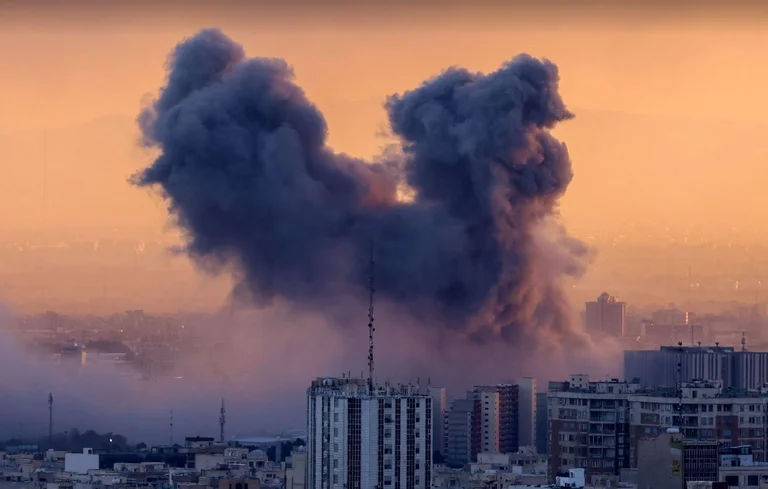
(3 months ago)The Iran war has entered its second month, becoming one of the largest geopolitical and energy crises in recent decades. The conflict began on February 28, 2026, when the United States and Israel undertook a series of air strikes on military and nuclear facilities in Iran. In these blows [...]
The Iran war has entered its second month, becoming one of the largest geopolitical and energy crises in recent decades.
The conflict began on February 28, 2026, when the United States and Israel undertook a series of air strikes on military and nuclear facilities in Iran. In these blows, Iranian Supreme Leader Ali Khamenei was also killed, a development that marked the turning point and immediately escalated the situation.
Tehran reacted with a wave of missile attacks and fears against Israel and American bases in the region, extending the conflict to several fronts, including Lebanon and the Persian Gulf. One of the strongest strategic shocks came to sea: Iran closed the de facto Hormuz Strait, the main artery of global energy trade. Ship traffic was virtually halted and oil tanks were attacked, causing a major shock to international markets.
The blockade affected about 20% of the world's oil and gas supply, causing rapid price increases and fears of a global energy crisis. Meanwhile, air strikes have followed in both sides. Israel has bombed nuclear targets, military bases and strategic infrastructure in Iran, while Iran has continued its response with rockets and through its allies in the region, such as Hezbollah and Houth.
The killings of military leaders and commanders have been a key element of the conflict, including the elimination of Revolutionary Guard commanders leading operations at Hormuz, aimed at weakening the Iranian chain of command.
On the ground, war has expanded into a multifront conflict: the clash in Lebanon with Hezbollah, attacks on the Red Sea and tensions in the Persian Gulf. The economic consequences are severe. Energy experts have named the situation “the internationalization of several energy crises simultaneously”, while countries worldwide are facing rising fuel prices and risk of recession. /topchannel