5 minutes ago
Gerjali: Emergency suspending excises on oil, country towards financial collapse
Periskopi(4 months ago)
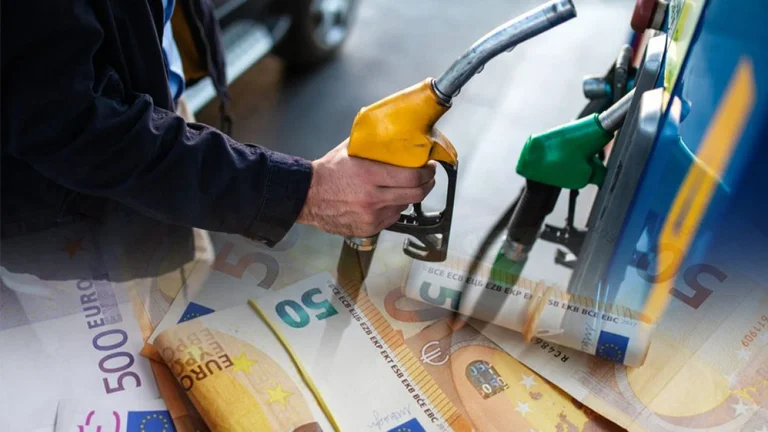
(4 months ago)The former head of the Kosovo Economic House (OEK), Safet Gerjaliu, has voiced concern over the increase in the price of derivatives in Kosovo, demanding urgent intervention by state institutions for managing the situation and easing the influence on citizens and businesses. He has proposed that the temporary removal of the excise for derivatives be immediately considered, [...]
He has proposed that the provisional removal of the excise for derivatives be immediately considered, warning that, on the contrary, the country could face serious economic consequences.
According to Gerxhaliu, Kosovo is facing a series of successive crises that are negatively affecting economic development and the functioning of internal processes.
He emphasises that the unstable global economic situation, combined with “political integration” in the country, is making the situation more difficult.
Until countries of the region and the world have staffs and expert groups to address these challenges, the same thing is not happening in Kosovo”, Gerjaliu has stated in a pronomation for IndexOnline.
He has added that in addition to rising derivative prices, Kosovo is also facing high inflation, which, according to him, is continuing to rise. In this context, he estimates that the interim suspension of the excise for derivative would be a suitable solution until economic circumstances are stabilised.
“It is necessary to take this measure for a certain period and then work on strengthening the reserves, since Kosovo is dependent on import. On the contrary, we are facing a” collapse, he is expressed.
Currently, the price for a litre of oil ranges between 1 euro and 70 cents and 73 cents per litre.
Usually when in European markets or even wider prices of various products have marked increases, this is reflected immediately in Kosovo, but according to economic affairs connoisseurs in Pristina, this is not happening when there is a decrease.
Otherwise, the Kosovo government has no competencies to intervene in the amount of prices of any goods, as it is constantly stressed that offers, demand and foreign markets determine the prices of certain products.