2 minutes ago
KEK complaint: The A5 unit that stopped last night is back in a few days, was a month in extraordinary operation
Periskopi(6 months ago)
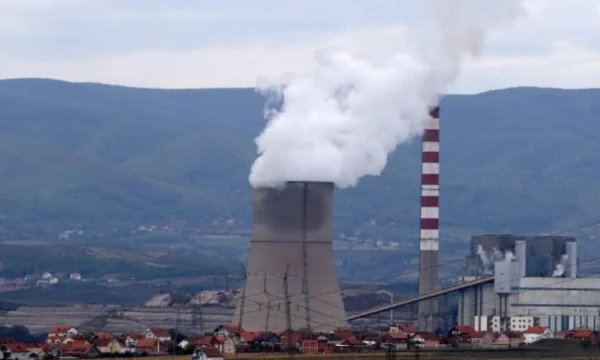
(6 months ago)The Kosovo Energy Corporation (KEK) has indicated that since December 19th it has been operating in an extraordinary power generation regime, holding three blocks of the Kosova A thermal power plant in parallel for a total of 31 days. According to KEK data, three Kosovo entities' operation has been realised [...]
The Kosovo Energy Corporation (KEK) has indicated that since December 19th it has been operating in an extraordinary power generation regime, holding three blocks of the Kosova A thermal power plant in parallel for a total of 31 days.
According to KEK data, three-entity Kosovo A operation has been realised in different periods during December, January and early February. Concretically, according to KEK's announcement, nine days of parallel operation were registered during December, while in January this regime was held for 20 days, including January 1st, January 15th16th and January 21st31. Even in early February, February 1st and 2nd, the three units have been at work simultaneously, bringing the total to 31 days.
“This level of operation represents an extraordinary technical and human burden for the oldest thermal power plant in the country”, the Corporation's Facebook response reported.
KEK emphasises that the operational standard since the post-war has been operating with four generation units two from Kosovo A and two from Kosovo B ʹ, while another entity has always served as a hot reserve for system security and emergency response.
However, due to increased consumption and the need for energy security guarantees, from December 19th KEK has gone into a state of emergency, managing to operate five generation units simultaneously for about 30 days. This operation has included three units from Kosovo A and two from Kosovo B, exceeding the normal working standard.
Such a regime, according to KEK, has called for maximum technical commitment, accelerated maintenance and continued staff mobilization.
It is announced that the A5 unit is expected to return to operation within days, joining the four current generation units. This will enable the continuation of extraordinary operation with five active units, in the function of the country's electricity supply stability.
KEK estimates that this operating regime is not just technical statistics, but the result of the constant work of about 4 thousand employees, who are working under maximum burden conditions to keep old but vital capacities in operation for the country.
In recent months, Kosovo has faced frequent reductions. Finally, K ESCO has asked the ZERE to increase electricity prices by 21 percent. /Periscopi/