5 minutes ago
Japan to deploy missiles on an island near Taiwan until 2031
Periskopi(5 months ago)
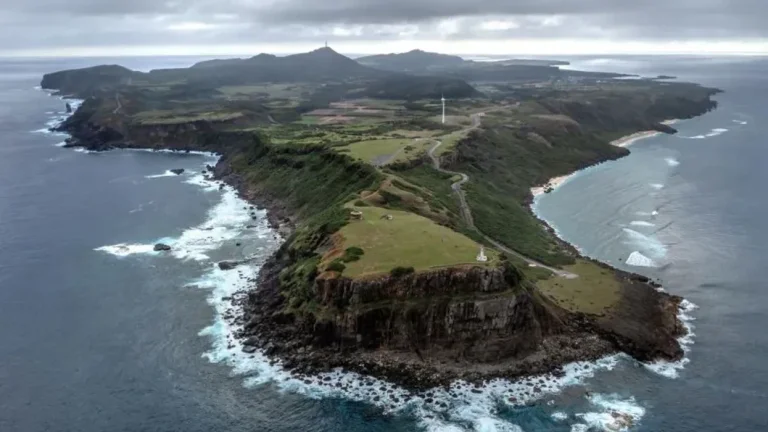
(5 months ago)Japan plans to deploy land-air missiles on its remote western island near Taiwan by March 2031, its defence minister said, while regional tensions are boiling. It is the first time Japan has specified a timeline for deploying missiles on the island of Yonaguni since it was announced in the year [...]
It is the first time Japan has specified a deadline for deploying missiles on the island of Yonaguni since it was announced in 2022.
China claims that self-governing Taiwan is its own and has not ruled out using force to reassemble” with it.
Yonaguni is visible from Taiwan's coast on a clear day, located only 110km away.
Tensions between Tokyo and Beijing have been high since November, when Japanese Prime Minister Sanae Takaichi apparently suggested Japan would activate its self-defense force in the event of an attack on Taiwan.
The concern has long been that any attack on Taiwan, which considers the US an ally, could result in a direct military conflict between Washington and Beijing, which will then be expanded to include other US allies in the region, such as Japan.
Takaichi's comments in parliament cut ties with China to the lowest level in years, and Beijing has increased pressure to a wide range of ways by sending warships, curbing exports of rare metals, curbing Chinese tourism, cancelling concerts and even regaining its pandas.
Japanese Defence Minister Shinjiro Koizumi announced the deadline for the missiles Tuesday, a day after China imposed export restrictions on 20 Japanese companies and subjects, citing concerns for national security, Telegrafi reports, Periscopi broadcasts.
Koizumi said the Yonaguni unit will be equipped with medium-range land-aircraft missiles, able to catch aircraft and incoming missiles.
With an action ray of about 50km and 360 degrees, the missile system produced in Japan could track up to 100 targets simultaneously and engage up to 12 at the same time.
China has yet to respond to Koizum's announcement. But when Koizumi visited Yonagun in November, Beijing said Japan was moving to create regional tension and provoke military confrontation”.
Within a few days, China raised fears near the island to express its anger, causing Japan to freeze warplanes in response.
Recent developments come after Takaichi secured a landslide victory in parliamentary elections earlier this month. This victory gave Takaichi political space to double efforts to boost Japan's defence capabilities.
This makes the announcement on Yonaguni Island more than just a military overhaul. It looks like the opening chapter for a more determined Tokyo.
And as Takaichi strengthens the country's military and defence budget, such determination seems unlikely to end here.
Yonaguni's announcement also shows where Japan sees its front line and how far it is prepared to go to protect it.
Over the past decade, Japan has transformed the sleepy Yonagun into a military post that currently deals with coastal oversight and has about 160 members of Japan's self - defense force.
An electronic war unit capable of disrupting enemy communications and radar will be established there in fiscal year 2026, which lasts from April until March of next year.
The time for the deployment of the missiles unit “can change depending on the progress of future improvements in objects, but the current plan is for fiscal year 2030x1>, Koizumi said. /Periscope