7 minutes ago
Austria: Political blockades in Kosovo slow EU integration
Periskopi(5 months ago)
(5 months ago)Austria's Foreign Minister, Beate Meinl-Reissinger, has declared that European Union enlargement will remain one of the main European policy priorities even in 2026. She spoke to the Austrian Parliament during the EU's 2026 EU Plan Report presentation. According to her, particular strategic importance for the EU continues to have [...]
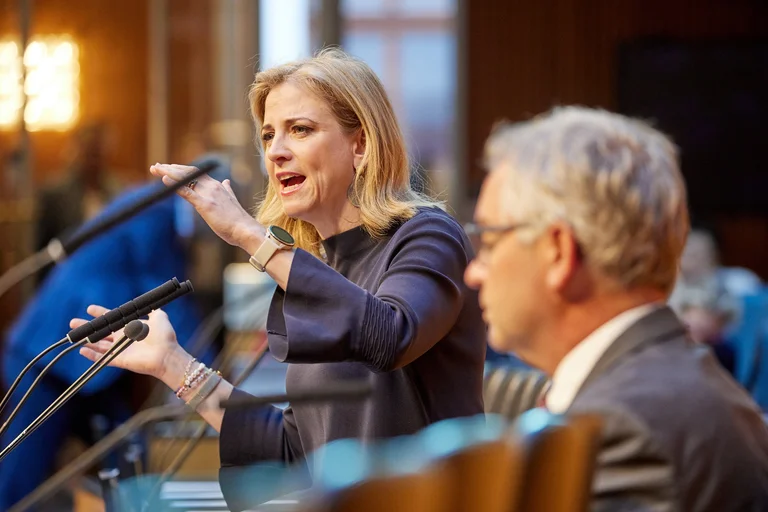
Austria's Foreign Minister, Beate Meinl-Reissinger, has declared that European Union enlargement will remain one of the main European policy priorities even in 2026. She spoke to the Austrian Parliament during the EU's 2026 EU Plan Report presentation.
According to her, particular strategic importance for the EU continues to have the Western Balkans, where the Union aims to strengthen its role and visibility.
The European Commission is expected to present the annual enlargement package in the fall of 2026, on which the Council will approve conclusions in December 2026. The report notes that Montenegro is seen as a leadership nation and is aimed at closing negotiations by the end of 2026. While all negotiating chapters have been opened with Albania, the process is slowing down by internal political blockades in Bosnia and Herzegovina and Kosovo”, said Meinl-Reissinger.
The report stresses that promoting the Western Balkan countries' membership process and strengthening regional co-operation will remain in 2026 as a centre of support that Austria offers to countries in the region.
“Austria commits to make the enlargement process more dynamic through the joining of several steps and increasing standardisation of procedures. We support the majority decision-making mentioned in the technical steps of membership negotiations. Also, work on implementing Austrian proposals for the gradual integration of Western Balkan countries in specific areas of the EU will continue, as well as on deepening political co-operation with the six countries of the region”, the Austrian minister said.