20 minutes ago
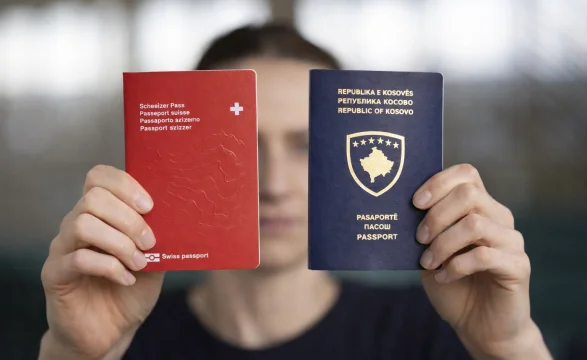
Kosovars top list of citizens with dual citizenship in Switzerland
Periskopi(6 months ago)
(6 months ago)According to official statistics, totaling 91.7 percent of naturalized Kosovars in Switzerland continue to maintain citizenship and origin, ranking them first among all foreign communities in the country, writes albinfo.ch. It is noteworthy that dual citizenship is becoming increasingly common in Switzerland, while [...]
According to official statistics, totaling 91.7 percent of naturalized Kosovars in Switzerland continue to maintain citizenship and origin, ranking them first among all foreign communities in the country, writes albinfo.ch.
It is noteworthy that dual citizenship is becoming increasingly common in Switzerland, while Kosovars rank at the top of communities that maintain citizenship and origin simultaneously even after receiving the Swiss passport.
According to official data released yesterday by Switzerland's Federal Statistics Office (FSO), in 2024, 21 percent of Swiss citizens held at least an additional citizenship. This percentage has seen steady growth over the years, in 2010 it was only 14 percent.
Over 90% Kosovars preserve Kosovo citizenship
Among the naturalised citizens, Kosovars lead decisively, as 91.7 percent of them also maintain Kosovo's citizenship, ranking first in Switzerland for the divorce rate.
This figure significantly exceeds other communities, including those from Serbia, Northern Macedonia, Portugal or Germany, and shows the strong link the Kosovo diaspora preserves with the country of origin, albinfo.ch writes further.
The following ranks:
Portugal é 82.3%
Germany - 72.9%
Spain - 60.2%
United Kingdom 58%
Italy 55.5%
France 45.1%
Stressed Differences Between Switzerland's Regions
The data also shows major regional differences in spreading dual citizenship:
French - speaking Switzerland: 31%
Italian - speaking Switzerland (Ticino): 30%
German - speaking Switzerland: 17%
These differences are mainly related to the demographic structure and migration history in each region.
Data From the Largest National Survey
Statistics are based on the Structurous Survey, the largest survey on the population and family structure in Switzerland. This survey complements data from cantonal and municipal censuses of the population, as well as from the federal register of buildings and residences.
Its results serve as the basis for public policies, scientific research and economic planning, while initial data is usually published a year after the reference period. /Albinfo. ch