7 hours ago
Iran ready for nuclear talks with the US, but sets red lines for rockets
Periskopi(6 months ago)
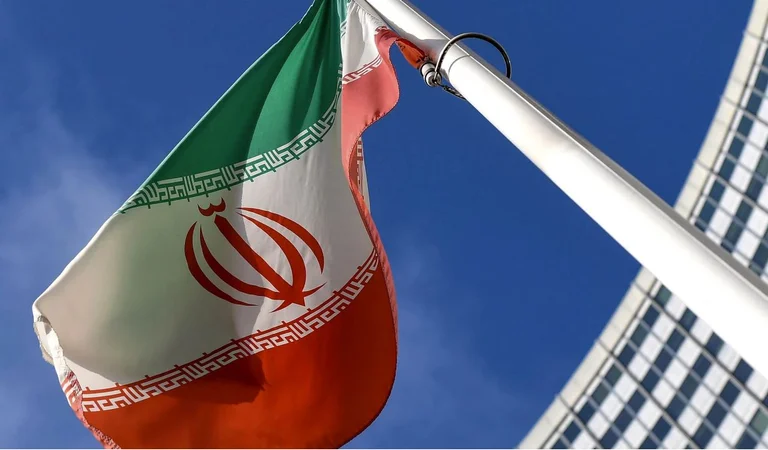
(6 months ago)Iran's Foreign Minister, Abbas Aracchi, has signalled readiness to resume nuclear talks with the United States, while setting red lines in terms of Tehran's missile programme. Speaking on January 30th in Istanbul, Aracchi has said Tehran would be ready to resume talks [...]
Iran's Foreign Minister, Abbas Aracchi, has signalled readiness to resume nuclear talks with the United States, while setting red lines in terms of Tehran's missile programme.
Speaking on January 30th in Istanbul, Aracchi has said Tehran would be ready to resume talks with Washington if they were to, as he said, “fairly and equalized”.
At a joint media conference with his Turkish counterpart, the Iranian official has said he is open to measures that help build confidence in the nuclear programme, but has stressed that Iran's military position is not negotiable.
Iran's “Defence Capacity and missiles will never be subject to negotiations”, he has said, adding that so far there are no plans for negotiations between Tehran and Washington.
Aracchi has made these statements as it intensifys diplomatic activity in the region to prevent a direct confrontation between the United States and Iran.
Turkey's President, Recep Tayip Erdogan, has told Iranian President Massoud POSkian that Ankara could serve as mediator between Iran and the United States.
According to the Turkish Presidency, Ankara is ready to help reduce tensions and resolve existing problems.
The Iranian presidency has quoted PESkian as saying that any cycle of negotiations would depend on abandoning the threatening “actions in the region”.
However, analysts believe Tehran's stance reflects past rigidity and not a significant change.
Ali Vaez, director of Iran's International Crisis Group project, argues Iran's negotiating stance has remained unchanged since the beginning of 2025, despite mounting pressure.
The Islamic Republic is neither aware nor willing to learn what approach it has to [the American president] Donald Trump” said Vaez about Radio Free Europe.
Trump, on the other hand, has his demands.
On January 29th, he has said Iran should stop the nuclear programme and stop the “killing of protesters”, claiming that these requests have already been forwarded to Iranian officials.
Two days ago, he has said that a massive <x0rmamada” is in Iran's direction, and has warned that it could operate on “speeds” if necessary, though he has expressed hope for a correct “agreement to leave Iran without nuclear weapons.
The riots in Iran began on December 28th, prompted by rising inflation rates and devaluation of local currency.
Even in the most conservative estimates, the death toll amounts to over 6,000.
In other measurements, the number is tens of thousands.
Iranian authorities deny responsibility, and the murders are left to the so-called terrorists who claim they were supported by the United States and Israel.