3 minutes ago
The city of Sarajevo joins the criminal procedure in Milan in the case of “snipers”
Periskopi(6 months ago)
(6 months ago)The Sarajevo City Council gave the consent on January 28th that the City of Sarajevo is joining the criminal procedure under way before Italy's Milan judicial bodies against persons suspected of shooting snipers at Sarajevo citizens in wartime. In early November of last year, Italian media [...]
The Sarajevo City Council gave the consent on January 28th that the City of Sarajevo is joining the criminal procedure under way before Italy's Milan judicial bodies against persons suspected of shooting snipers at Sarajevo citizens in wartime.
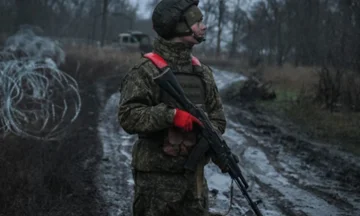
In early November of last year, Italian media reported that Milan's prosecution has launched investigations of <x0-> snipers”, who, according to the story of writer and journalist Ezio Gavazzeni, paid large sums of money to go to the positions of the Republika Srpska Army around Sarajevo and, mainly “for entertainment, shot by snipers and killed citizens in besieged Sarajevo.
After several attempts by Radio Europe Free to interview him, Gavazzen through mediators indicated that he did not want to speak. Meanwhile, he held a press conference in Milan, where he said that in February he would publish a book for “snipers”.
Ghavazzen said the first claims of foreign access to the front line had been seen in 1995 in a scripture published in the newspaper Corriere della Sera, after which a trumpeter on the subject had started writing. He said that he soon realized that he knew very little and gave up. But, only until 2022 and when he saw the documentary “Slovenian director Miran Joupanic's Sarajevo Safari”
The prosecution in Milan is expected to inform the public of the results of the investigation in March 2026. If an indictment arises and guilty of guilt, this will be the first case in Europe where someone responds to the court for sniper murder of civilians in Sarajevo.
Meanwhile, Bosnia and Herzegovina's justice is verifying claims, but so far no sniper has been prosecuted for killing civilians, especially children in Sarajevo.
Foreign journalists and journalists, almost all the time of war from 1992 to the end of 1995, were occasionally able to stay in Serb forces' positions around Sarajevo.
Radio Free Europe contacted some of them, but no one could confirm that he had ever seen a stranger who had paid to come and shoot civilians.
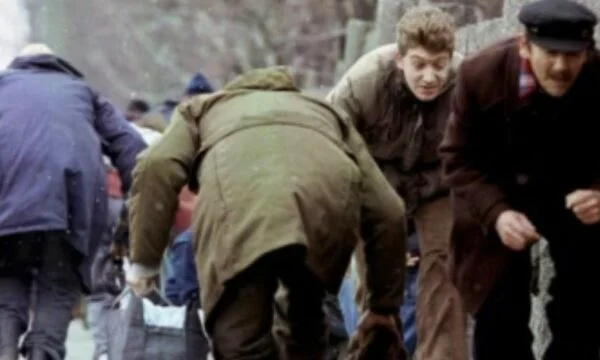
During nearly four years of siege to Sarajevo, according to reports by victims' associations and international courts' judgments, every tenth child killed in the city was shot by a sniper bullet. More than 14,000 children were injured.
However, no sniper has been accountable on the basis of personal responsibility either before local or international courts.
The Hague Tribunal, in pleas against top Republika Srpska officials, has concluded that the snipers' campaign had a goal: “terrorised Sarajevo civilians”. / REL