an hour ago
How Georgia-style Armani Revolutioned Fashion
Periskopi(9 months ago)
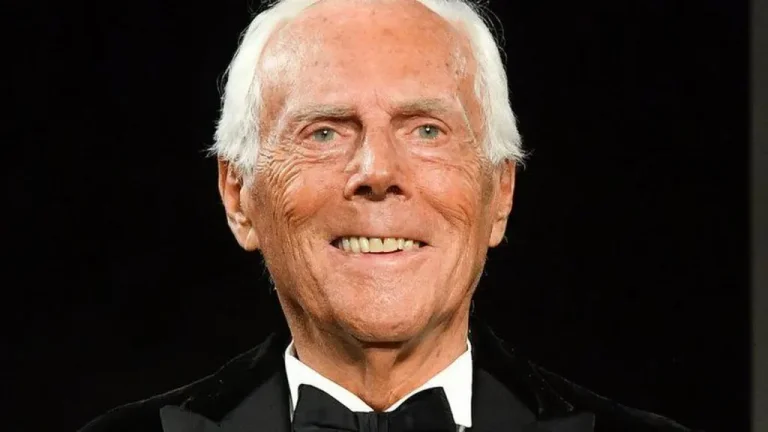
(9 months ago)Giorgio Armani, who died at the age of 91, was the first designer since Coco Chanel to bring about a lasting change in the way people dress. Born in a prewar era with rigid traditions and styles, its creations followed and helped make it possible to grow [...]
Born in a pre-war era with solid traditions and styles, its creations followed and helped to make it possible to increase social flow in the second half of the 20th century.
Basically, he'll be remembered for his re-exacting of the suit... his feminization of men and his popularization of women, writes BBC, broadcast Periscope.
Armani lifted the limitations and limitations of the harshest styles that existed before him by making men feel sophisticated and women empowered in the workplace.
Newspapers named him “stist the first post-modern”. In many ways, he was a revolutionary.
Giorgio Armani was born in Piaceza, northern Italy, on July 11, 1934.
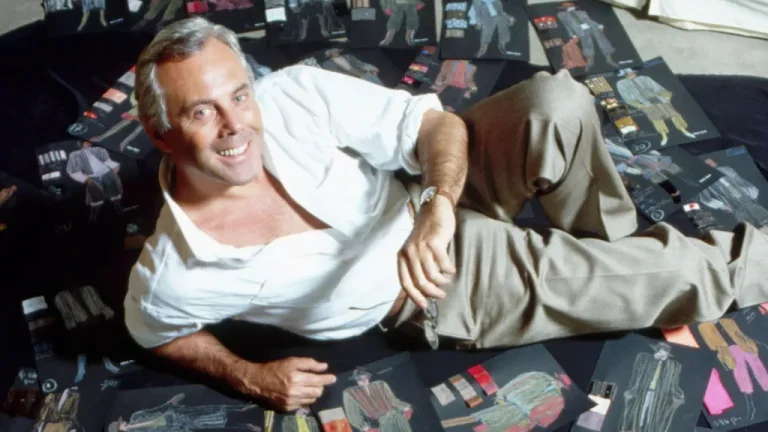
The comfortable life of his middle - class family was destroyed by war, and since food was difficult to find, his earliest memory was hunger.
Armani was playing with unbroken artillery shells on the road until one of them exploded suddenly. He was severely burned and a close friend was killed.
“War”, he said later, “taught me that not everything is tempting”.
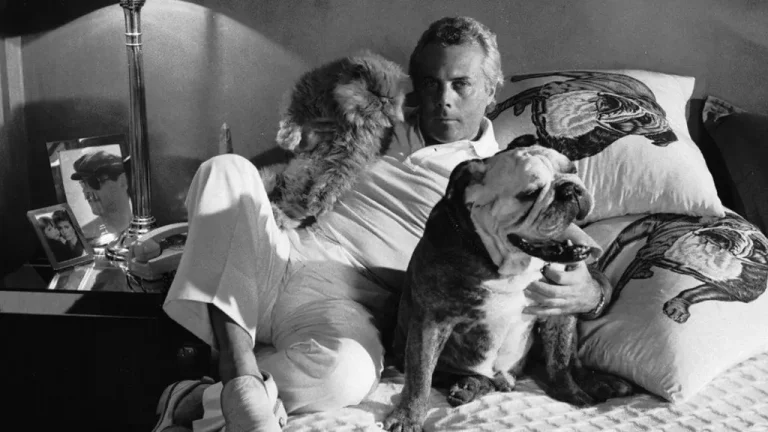
In 1956 he began his medical studies, but he left after three years and joined the army.
Exhausted by life in the army, he found a job as a window decorator in La Rinascente a store in Milan where he quickly went up in line.
Most designers learn their trade as interns or fashion school, but Armani's education took place at the store.
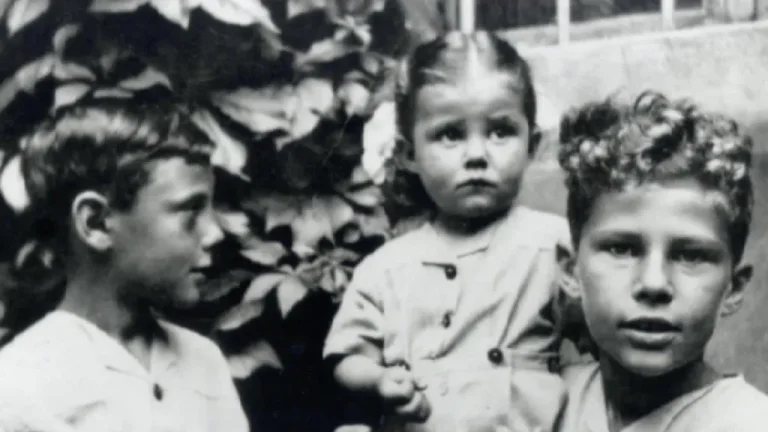
He learned which fabrics liked customers and went to textile factories to buy them. He became an expert in how the fabric was built and used his knowledge to perfect his tailorliness.
Soon Armani began working for Nino Cerruti a high - style designer. Within months, Cerruti asked him to restructure the company's approach, writes BBC, broadcast Periscope.
The middle class of the 1960 ' s could not handle the hauthe couture, but it wanted an elegant and distinctive view of them.
With his expertise in fabric, Armani gave an answer. Its thin fabrics made possible a range of clothing for males with clean, precise cuts that could be produced on a large scale.
His distinctive Italian style began to influence the way people dressed in fashion.
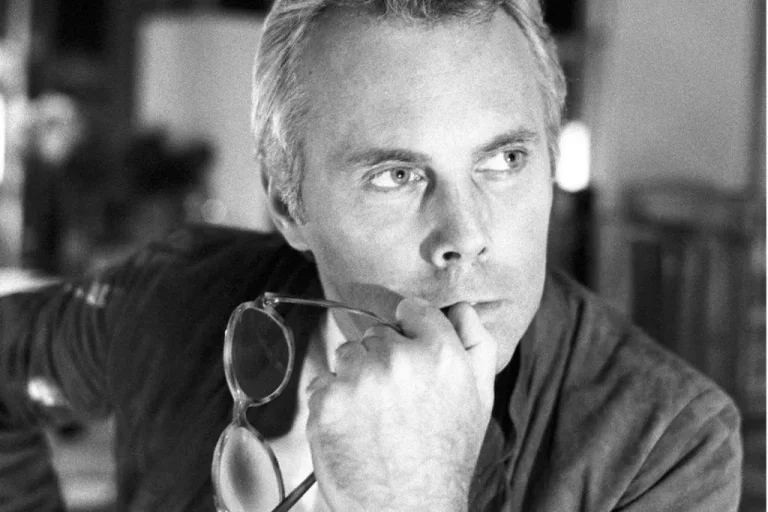
In 1966, Armani met Sergio Galeotti, a new intern architect. Gareott soon abandoned his career and began working with his girlfriend.
Men's suits became softer and more sensitive.
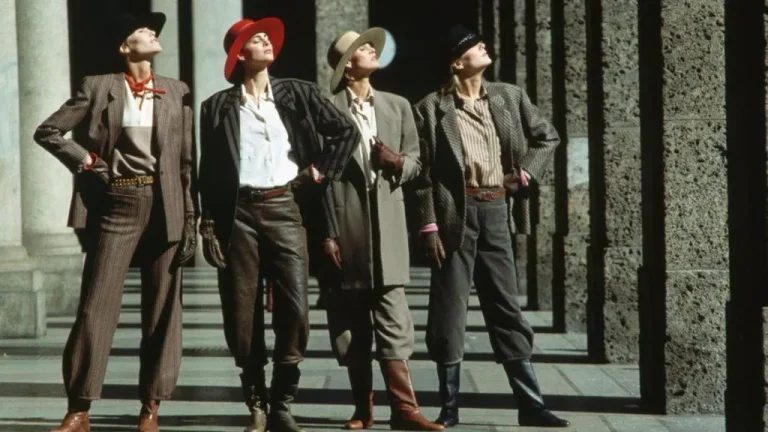
This reflected a change in the way men viewed themselves in the 1960 ' s but had not yet been caught in fashion.
And with more women entering the workplace, Armani noticed an opportunity.
I realized that they needed a way to dress that was equivalent to that of men,” he said. Something that would give them dignity in their work life. ”
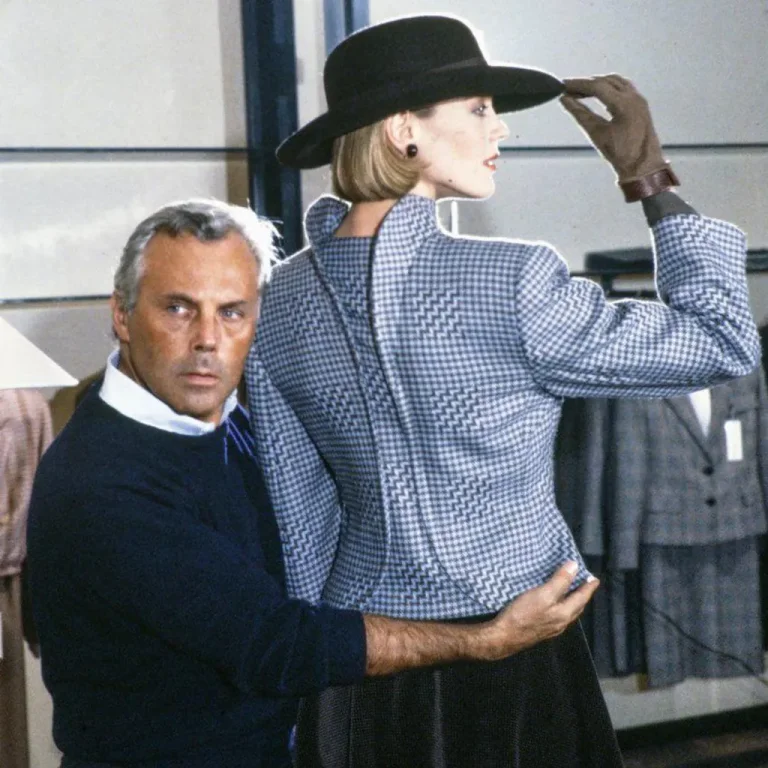
In Armani's powerful embroidery suits, women were offered an alternative to the rigid, stuffed dresses that their mothers wore on the job. They radiated feminity, but they were a powerful declaration of equality, writes BBC, broadcast Periscope.
In 1978, the company signed an agreement with the GFT-based clothing maker, which gave her the opportunity to produce luxury clothes ready for clothing.
At the same time, Armani achieved great success in marketing.
He won a contract to wear Richard Gere in American Gigolo. In almost every scene of the 1980 movie, the charming form of Gere's fantasy appears from head to foot wearing Armani.
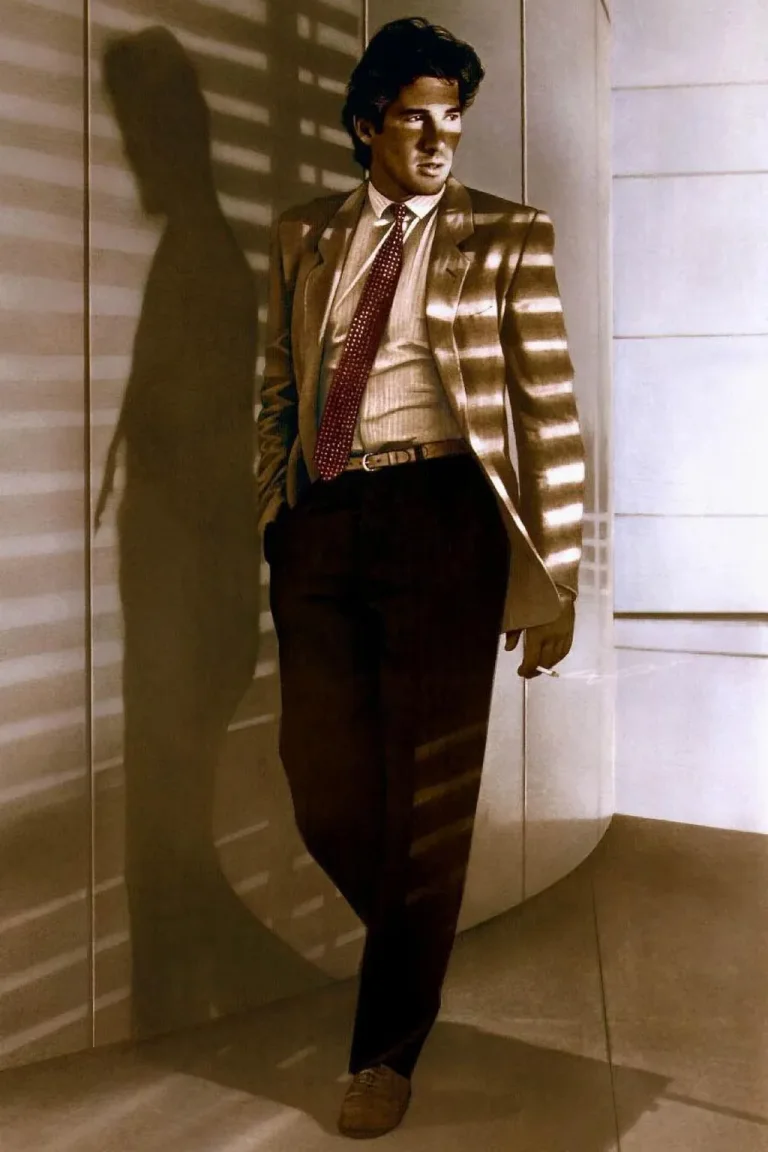
It was Armani's vision designed by Hollywood power and publicity that could not be bought with money.
He continued to wear stars on the Oscar night red carpet and design costumes for dozens of film and television shows: especially The Untouchables and the criminal serial of 1980 Miami Vice.
Within a decade, he had become the European designer with the largest sales in the United States. As a result, Milan appeared as a serious commercial and creative force in world fashion second only to Paris.
He moved to expand his brand. He launched both Armani Jeans and Emporio Armani and a deal with LʹOreal added aroma to his arsenal.
He continued to introduce glasses, sports suits, cosmetics and accessors. Now, there was a whole life - style under a label for which fashion could aspire. GQ magazine described it as “total view”.
In 1985, Sergio Galeotti died of an AIDS-related disease at the age of 40.
A very withdrawn man, Armani withdrew to himself and thought about retirement. Eventually, he decided to continue instead of “obsing all of Sergio's” hopes.
By honoring his long-term personal and business partner, Armani said that “ai helped me believe in my work, in my energy”.
In a rare interview in 2001, Armani was asked about his biggest career failure. I wasn't able to stop my partner from dying,” he answered.
Without families to distract him, he devoted his life to expanding his empire.
While fashion conglomerates bought other brands, Armani resisted foreign investment.
Instead, he built the company in today's vast global business and maintained control of its finances and creativity. That made him a multibillion-dollarer.
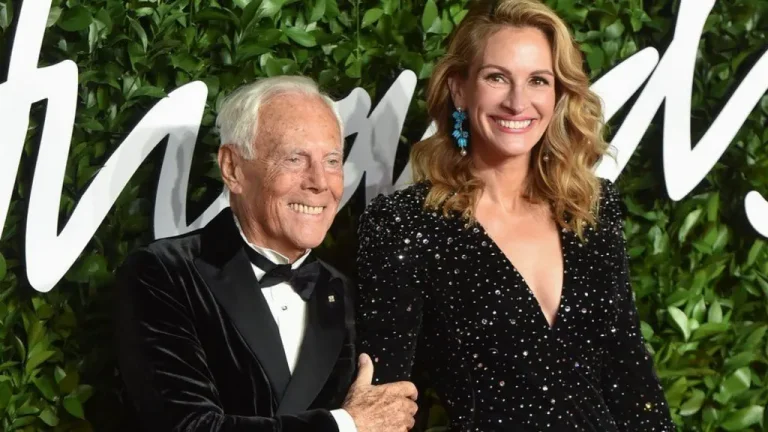
In 2000 the Guggenheim Museum in New York organized an exhibition of his work.
He recognized Armani's powerful influence on social changes in the past century and boldly declared that “dizan could be art”.
He stopped using models with low body mass index when one of them died of anorexia.
The hotel design was added to the portfolio with the opening of Burj Khalifa in Dubai in 2010. Armani himself designed the drill.
An ardent sports fan, he also designed costumes for Chelsea and England's football team and made uniforms for Italy's Olympic team in 2012.
He had a very public quarrel with the editor of Vogue, Anna Wintour, when she did not participate in launching his new season in 2014.
She claimed a conflict in the diary, but was rumoured that she had noted that Armani's “thepoca has finished”.
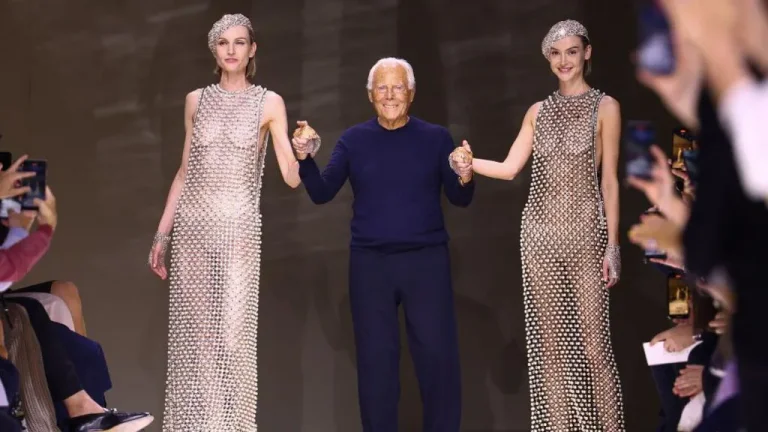
As he entered his tenth decade, Armani continued to introduce new lines in the wakes of Paris and Milan.
In March 2025, he said that his appearance in Milan was intended to pour oil into the turbulent waters of global politics.
I wanted to imagine a new harmony, because I believe this is what we all need”, he/
Personally, he was regular and a business addict.
The New York magazine described it as “known for discipline” and “dedicated to self - control and restraint that may appear to be cool”.
Every morning, Armani would be long in his pool. It was 50 yards long, but only a broad yard and contained enough water to facilitate the ride.
For some, the design of the pool summed up the approach of the unified-minded designer to life and business. It was minimalistic, accurate, and designed for a purpose.
Throughout his career, his styles remained open to changing society.
The keen sense of social guidance came from Armani's early experience on the floor of that Milann store.
There, customers were the ones who mattered, and a good designer made sure that he could adapt to their changing needs.
For 65 years, Armani devoted himself to this task. And that provided him with a fortune valued by Forbes at $13 billion ($1 billion).
“I'm never satisfied,” he once told a journalist.
In fact, as someone who is always dissatisfied and obsessed with his quest for perfection, I never give up until I have achieved the results I want. ”/Periscope