7 hours ago
Diddy's trial in conclusion, what's at stake with the rapper?
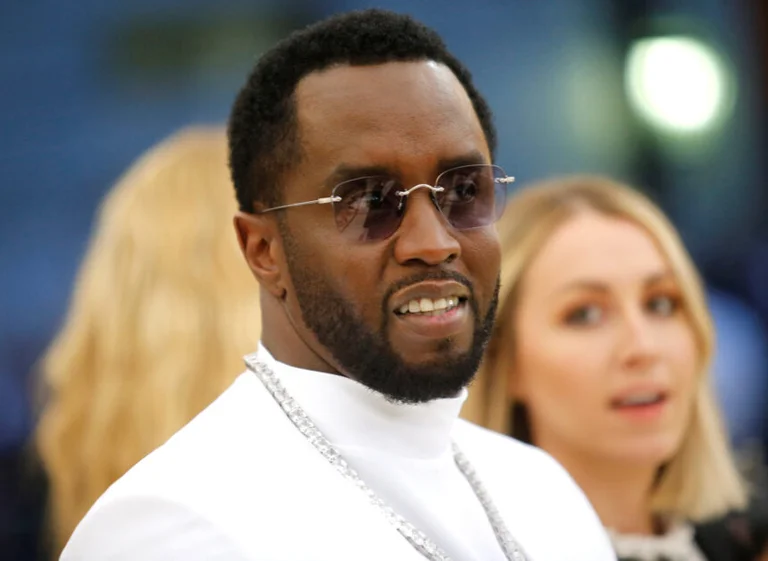
Periskopi(a year ago)
(a year ago)After six weeks of evidence, prosecutors in the sex trafficking case against Sean “Diddy”mbs have completed presenting their evidence against him. The music mogul faces charges involving group criminal activity and forced sexual trafficking, fraud or obligation. He was arrested last September while in New York and [...]
After six weeks of evidence, prosecutors in the sex trafficking case against Sean “Diddy”mbs have completed presenting their evidence against him.
The music mogul faces charges involving group criminal activity and forced sexual trafficking, fraud or obligation.
He was arrested last September while in New York and has been in prison ever since.
55-year-old is notorious for organising “freak-offs” ) Sex parties where women were allegedly forced into sexual relations with male sex workers while Chambs watched and satisfied himself.
Combs has denied all charges against him and claims that any sexual act has been consensual.
In the trial, 34 witnesses, including Diddy's former partner, Cassie Ventura, reperin Kid Cudi and his former employee, as well as managers and hotel employees.
However, on Tuesday (24 June), Combs refused to speak to the tribunal, while his legal team presented the defence. The hearing lasted less than an hour, and the defense called no witnesses.
Addressing federal judge Arun Subramanian about an hour after the prosecution concluded its presentation, as ABC News reported, Combs said of its refusal to testify: “This is my decision with my lawyers,” before trying to gain the sympathy of the judge.
“ > I want to thank you. You're doing a great job. ”
So how did Did Did Diddy's legal team defend themselves without calling him in the witness stand or any other witness in defense?
They highlighted love messages exchanged between Cassie Ventura and Combs in 2012, where Ventura expressed that he still loved him and would be <x0freak”, reports Cut, broadcast Periscope.
They also read notes from interviews with authorities showing that some of the witnesses had changed versions from initial statements.
Moreover, Combs' lawyers spent days questioning prosecution witnesses, trying to cast doubt on the evidence of alleged victims.
Shortly after the prosecution concluded the case, Combs' attorneys demanded by the Subramanian judge to give a “verdict on innocence” > suggesting that even if the prosecution evidence is considered the strongest possible, they are not enough to prove guilt beyond any reasonable suspicion, so the issue must be closed down right now.
Judge Submanian did not immediately make a decision on this request.
This is a standard practice in federal criminal trials; motions for innocence -- known as motions under Rule 29 -- are usually done after the prosecution's presentation is completed, and again after the defence ends.
Judges usually expect to hear the closing arguments and see all evidence before deciding whether any reasonable jury can reach a legally valid sentence.
What will happen next to the Diddy case?
On Thursday (June 26th), the jury is expected to return to court to hear closing arguments.
This means that discussions ʹ when the jury withdraws to discuss the arguments and to reach a unanimous decision can begin as early as Friday (June 27th).
Discussions can last from several hours to several weeks, so it is still unknown when a decision can be expected.
If convicted on all counts, the Combs could face life imprisonment. /Periscope/