6 minutes ago
As the movement for reconciliation of the blood began, four activists of the day speak
Periskopi(a year ago)
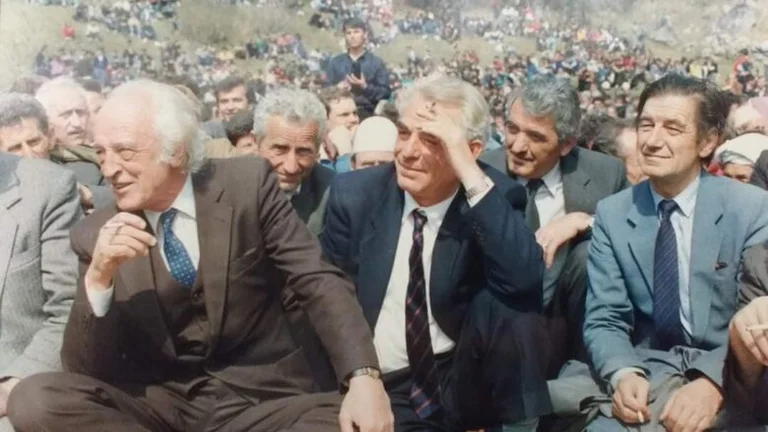
(a year ago)On the 35th anniversary of the launch of the movement for reconciliation of the blood has been broadcast accounts of four activists who were engaged in the years of ʹ90s, along with many others in the reconciliation of the blood. Murteza Kurti, cameraman and activist, Albanian Bytyci, activist, Ilir Bytyci, activist and Arben Hoxha, activist, have confessed on the “Calxo Pernimes” show that [...]
Murtesza Kurti, cameraman and activist, Albanian Bytyci, activist, Ilir Bytyci, activist and Arben Hoxha, activist, have confessed on the “Kalxon Pernimes” show how the movement for reconciliation of the species began.
The young people who have fallen into prison and suffered severe torture but are there to see the importance of being forgiven. The other reason is because young people have been visionarys who for the achievement of freedom need the national union”, says Ilir Bytyci, activist, reports Callo. com, Transmitt Periscope.
Arben Hoxha relates how young people were oriented by Professor Zekiria Cana to Anton Cetta and why Chetta was the right person for the move.
The counter was because Cana was one of the most powerful activists during the 1980s and they trusted her. Cana then guides them to Anton Chetta. The idea has been very shot and accurate. Anton Cetta is one of the best connoisseurs of Kosovo's ethnocultural zones, and such a large action requires one having recognition. Cetta is the founder of Kosovo folklore. The reconciliation of the creatures has asked for such a man”, he said.
Albanian activist Bytyci relates the woman's role in reconciliation and the way she and other activists have approached them.
In the backstage women have been talking too much. The woman experienced the pain of her son, brother, father, in various ways. That pain she carried. The Canon says that “nanana has kept the bloody clothes of the murdered boy”. He pressured others because the pain was great. There's pressure to take blood mainly. That's why Mother was the one who had the great pain. The men have had no courage without taking the woman's approval in the background with a pardon from blood”, she says.
Bytyci says it was very important during meetings with families for the forgiveness of things to identify people who are hindering the process and talking to them.
Activist and cameraman at the time, Murteza Kurti, says the idea of shooting these meetings was not publicity but their preservation for later.
I'm sitting down as part of the group and the camera is not being exposed but sitting down. I'm not without. The movement has been very slow and cool. For Zakaria Cana, Lorik Cana has been interested in making me a documentary. These materials are digitized by him”, Kurt said.
Kurti tells how she got involved in the movement of reconciliation of women while confessing Professor Anton Chetta's role in that period.
Thanks to Ilir Bytyci, this guy called me and I decided to do this shoot. I didn't think they'd ever get labeled because we didn't know what the job was gonna be. Professor Anton Chetta played the key role in bringing blood into reconciliation because only the one who forgave him knows what he means. For me Anton Chetta was an angel, every time I was close to him I felt safe”, he said.
In 1990, the national and humanitarian action of the forgiveness of large-scale species had begun in Kosovo, spreading throughout the country.
This is also considered the most organised and productive year of the Albanian nation that has entered history as a year of the unification and reconciliation of the Albanian people wherever they lived, within ethnic lands and exiles. /Periscope/