8 hours ago
Brazilian police prevent a bomb attack at Lady Gaga's concert

Periskopi(a year ago)
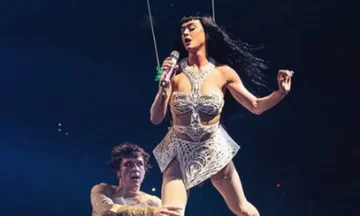
(a year ago)Brazilian police said they prevented a bomb attack planned for Lady Gaga's concert at the Copacabana beach in Rio de Janeiro on Saturday. According to the BBC, Rio de Janeiro State Civil Police, in co-ordination with the justice ministry, said the suspects had recruited participants to conduct attacks using explosives [...]
Brazilian police said they prevented a bomb attack planned for Lady Gaga's concert at the Copacabana beach in Rio de Janeiro on Saturday.
According to the BBC, Rio de Janeiro State Civil Police, in co-ordination with the justice ministry, said the suspects had recruited participants to conduct attacks using improvised explosives, and the plan aimed to gain fame in social media.
The person responsible for the plan and a teenager were arrested, police said at X.
A crowd of more than two million people gathered for the concert, the attendance at which it was free.
Police said the group that planned the attack had spread hate languages, mainly against children, teenagers and the LGBTQ+ community.
The suspect as the mastermind was arrested for illegal possession of a firearm in the southern state of Rio Grande do Sul, while the teenager was detained for saving child pornography in Rio.
Those responsible were also promoting radicalisation of teenagers, including self-defence and violent content “as a form of belonging and challenge among youth”.
The Justice Ministry said the suspects had identified themselves as fans of Lady Gaga, widely known as the “Vogla monsters”.
Police issued orders in all states of Rio de Janeiro, Mato Grosso, Rio Grande do Sul and São Paulo, and seized electronic equipment and other materials.
“Operation “False monster” left behind information from Rio's State Police Intelligence, which uncovered online groups encouraging violence among teenagers using coded and symbolic extremist languages.
The concert was financed from the city in an effort to revive Rio's economy, with expectations that it could bring in $100 million. /Periscope/