4 minutes ago
Tump with lists ready, citizens of some countries could be barred from US entry
Periskopi(a year ago)
(a year ago)The Trump administration is working on finalising a travel ban that would prohibit citizens from a “redist” of countries entering the US. The ban would fall under an executive order signed by the president on January 20th, titled “The United States' protection from foreign terrorists and [...]
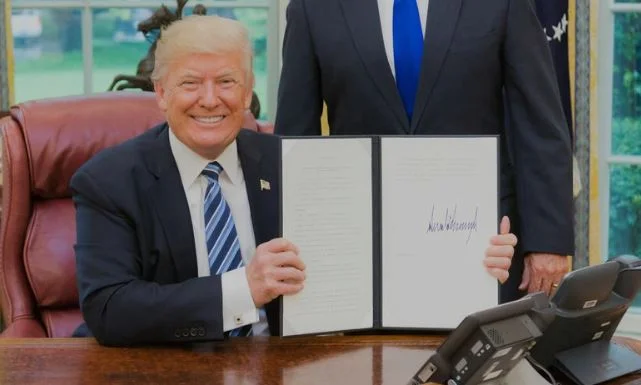
The ban would fall under an executive order signed by the president on January 20th, titled “United States Protection From Foreign and Other Terrorists“, intended to address “national security and public security threats”.
It becomes known that the order claims it will protect American citizens from “foreigners intent on carrying out terrorist attacks, threatening national security, promoting hate ideology or exploit immigration laws for malicious purposes”.
Trump gave Secretary of State Marco Rubio, Attorney General Pam Bond, National Security Secretary Kristi Noem and National Intelligence Director Tulsi Gabbard a 60-day deadline from order in about two weeks to identify such countries and approve the ban.
By Reports, the draft identifies the countries of the “redlist such as Sudan, Venezuela, Somalia, Syria, Yemen, Iran, Libya, Cuba and North Korea that Trump previously banned or limited to travel to the US.
As Pakistan and Afghanistan are expected to add to the list, writes yahoonewsHe's following in on Telegrafie.
Countries coded as “porkall” will have limited access, but not completely prohibited, and yellow “ ” places will have 60 days to address any <x4mangai” before facing restrictions.
It is unclear whether those with valid visas will lose their allowed US entry.
Which places did Trump stop last time?
In 2017, during Trump's first mandate, the president established a series of bans on citizens from predominantly Muslim countries.
Those from Iran, Iraq, Libya, Somalia, Sudan and Yemen were detained for 90 days, refugees for 120 days were blocked, and travel from Syria was suspended.
How long did the ban last?
Otherwise, President Joe Biden cancelled the initial round of travel bans when he took office on January 20, 2021.