a few seconds ago
DW: What is the most challenging part of the Gaza Agreement?
Periskopi(a year ago)
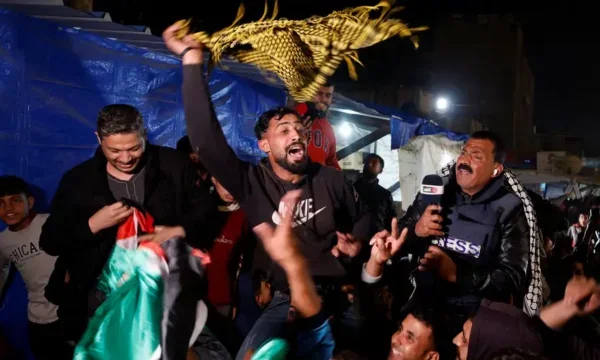
(a year ago)Despite joy and hope following the agreement between Israel and Hamas, experts think the sustainable ceasefire and reconstruction of the Gaza Strip remain challenges. The ceasefire agreement between Israel and Hamas envisions following the initial release of all women, minors until the age of 19 and men over 50 who are held hostage by Hamas to continue negotiations on the stage [...]
The ceasefire agreement between Israel and Hamas envisions following the initial release of all women, minors by the age of 19 and men over 50 who are held hostage by the Hamas, continue negotiations on the second phase of the ceasefire.
These negotiations are scheduled to begin on the 16th day of the first phase and are expected to be followed by the release of all remaining hostages, including Israeli soldiers.
A permanent ceasefire agreement is also expected and is expected to be reached for the Israeli Army's full withdrawal from the Gaza Strip.
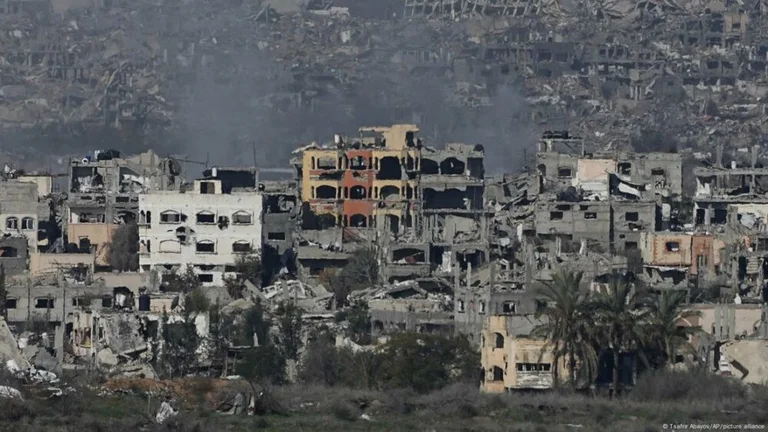
In a third phase, all lifeless hostage troops are expected to surrender and begin rebuilding the Gaza Belt, which has been destroyed on a large scale.
Difficult stages Expected
While the first phase of the ceasefire agreement is not “problem”, the second will be the difficult “”, analyst Hans-Jacomb Schindler told DW. “Because in the second phase, it should be thought of the third phase, which is the sustainable ceasefire and reconstruction of the Gaza Belt”, he said.
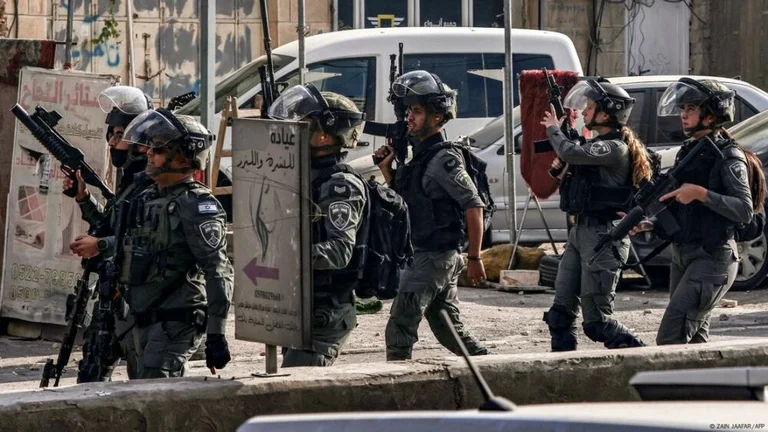
In addition to releasing the rest of the hostages, the second phase “will include the Israeli Army's withdrawal from the bulk of the Gaza Belt, especially from the real security zone along the Egyptian border,” he said.
Who will be responsible for Gaza?
At the moment the question will be asked is who will be responsible for Gaza, Schindler stressed.
“If the answer is that there is no answer, then the odds are very high that after a short period of time, Hamas will again be responsible,” he said. / DW