13 minutes ago
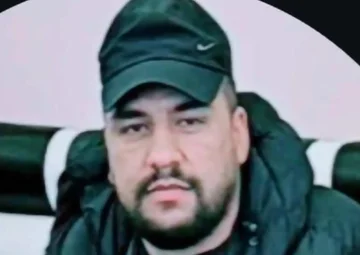
Details of the killer from Cetinje: Previously ordered to undergo psychiatric examination
Periskopi(a year ago)
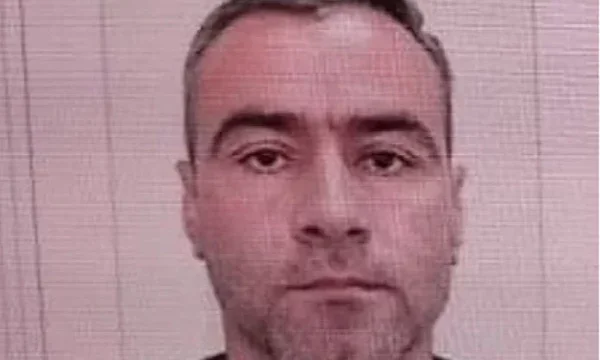
(a year ago)On January 1st, Cetinje was the scene of one of the worst crimes in Montenegro's new history. Aco Martinovic (45) committed a mass murder in which he killed 12 people, including two children, while four people were injured. After police have surrounded him, the author has shot himself [...]
On January 1st, Cetinje was the scene of one of the worst crimes in Montenegro's new history. Aco Martinovic (45) committed a mass murder in which he killed 12 people, including two children, while four people were injured.
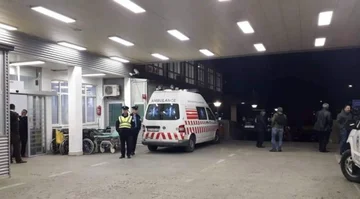
After the police surrounded him, the author shot himself in the head and passed away on his way to the hospital.
Previous History of Violence
Police Administration Director Lazar Marzepanovic, at a news conference, has indicated Martinovic was previously known for his violent behavior. In 2005 he was sentenced to three months in prison for violence, but not recorded as “person with operational interest”.
The Main Facts
Montenegrin Justice Minister announced: Martinovic was confiscated in 2022, sentenced to jail in November
In 2022, police received information that Martinovic owned illegal firearms. During his search at his home in November that year, two air rifles, 43 rounds of different calibres, an improvised explosive with great destructive power and weapons cleanup equipment were found. He was sentenced to three months in prison for this work, but the court was on appeal.
Martinovic's antisocial behavior had been observed before, so after a home search, he was ordered to undergo a psychiatric examination. Doctors have described therapy at the Health Centre in Cetinje, but it has not been sent to a specialised institution, which according to experts may be a major concession to prevent tragedy.
Reactions and Effects
Former Montenegrin President Milo Djukanovic said that crime in Cetinje shows a deep social crisis. The government announced 2 January mourning days and flags were waved in half-point.
Experts stress that mental health and control over illegal weapons are the main challenges Montenegrin society must urgently resolve. This crime, they say, highlights deep defects in the legal and health care system.
Meanwhile, those injured by the massacre have settled at the Clinical Centre in Podgorica and are in stable condition. The entire region is still in shock as victims' families try to find strength to cope with unimaginable loss.