13 minutes ago
China scares the new virus what is HMVP, returning ranks to hospitals
Periskopi(a year ago)
(a year ago)News that there is an increase in infections from a respiratory virus in China followed by crowded hospitals and emergency measures has raised concerns about the outbreak of an infection that can be transmitted abroad. The virus, identified as the human metapneumoviurus (HMPV), has seen cases grow in northern provinces [...]
The virus, identified as human metapneumovosis (HMPV), has seen cases growing in northern provinces of China this winter, especially in children.
The spread comes five years after the world was first alarmed at the appearance of a new Coronavirus in Wuhan, China. The virus later became a global pandemic during which seven million people died.
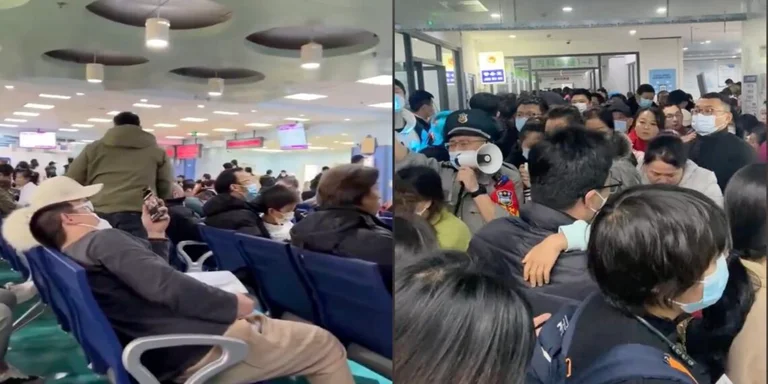
Photos and videos of people wearing masks in hospitals in China appeared on social media platforms, and local reports said the scenes of an HMPV explosion were similar to the initial explosion of Ovidius.
Health authorities are implementing urgent measures to monitor and manage the spread. However, Beijing has considered an annual winter phenomenon, reports Independent.co.uk.
China's foreign ministry spokesman Mao Ning said on Friday: “Respiratory infections tend to peak during winter season”.
“Options seem to be less serious and widespread at a smaller rate compared to last year”, she said.
What's HMPV?
Human Metapneumovius, or HMPV, is a respiratory virus that causes symptoms similar to common cold and flu. While the disease is usually easy, it can lead to serious complications such as pneumonia, especially among infants, the elderly, and those with weakened immune systems.
The virus is not young but has gained attention after increasing cases, especially in children under 14 in northern China.
First identified in 2001, HMPV is an ARN virus with a chain spread through respiratory points or contact with contaminated surfaces. Infections have previously been identified in various countries, including the United Kingdom.
Its symptoms include cough, fever, nose jam, and fatigue, with a period of incubation of three to six days. Unlike Avid-19, there is no specific antiviral vaccine or treatment for HMPV; treatment mainly involves correcting symptoms.
China's HMPV on the Rise
The increase in cases coincides with weather cooling and increased activity in closed areas, conditions that usually promote the spread of respiratory viruses. Health officials stress that this increase is in line with seasonal trends.
Its symptoms include cough, fever, nose jam, and fatigue, with a period of incubation of three to six days
China's National Disease Control and Prevention Administration recently reported an increase in respiratory infections, including HMPV, during the winter. The World Health Organisation (OBSH) has not described the situation as a global health emergency, but increased cases have prompted authorities to strengthen monitoring systems.
A pilot programme has been launched to track pneumonia of unknown origin, ensuring that labs and health agencies report and manage cases more effectively, the state broadcaster reported. CCTV, citing an administration official at a press conference.
Can HMPV virus spread elsewhere?
Hong Kong has reported several HMPV cases. Neighboring countries like Cambodia and Taiwan are closely monitoring the situation. Cambodia's Transmable Disease Control Department has issued warnings about HMPV, noting its similarity to Covid-19 and the flu.
Taiwan's Centers for Disease Control have said that the virus's highest risk lies with children, elderly people and individuals with compromised immunity.
In neighboring India, officials said there is no need for panic because HMPV is “like any other respiratory virus”.
There's been reports of a metapneumovus explosion in China. Let me be very clear at this point. Metapneumovrus is like any other respiratory virus that causes common cooling, and many young people can cause symptoms similar to flu”, said the official of the Directorate General for Health Services (DGHS), Dr Atul Goel, according to local media.
Calming citizens and tourists, the foreign ministry spokesman said: “can assure you that the Chinese government cares for the health of Chinese citizens and foreigners who come to China”, adding that “is sure to travel to China”.