2 minutes ago
Patients in Europe begin taking the world's first lung cancer vaccine
Periskopi(2 years ago)
(2 years ago)A lung cancer patient in the United Kingdom has become one of the first to take part in an innovative test of the world's first vaccine against disease. A patient in the United Kingdom is among the first Europeans to have participated in an innovative global test for a vaccine [...]
A patient in the United Kingdom is among the first Europeans to have participated in an innovative global test for a lung cancer vaccine.
lung cancer is the leading cause of cancer deaths worldwide, responsible for about 1.8 million deaths in 2020, the Euronews Shneta newspaper broadcast.
Of these, nearly a quarter of a million people around 230 700 are from the EU alone, representing nearly one in five cancer deaths in the region.
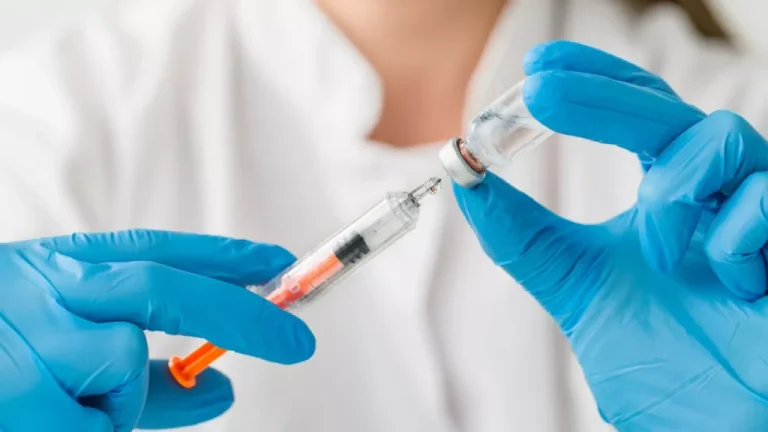
The vaccine, known as BNT116 and developed by BioNTech, uses RNA technology ( m RNA - similar to some COVIDD-19 ) vaccines to help the immune system recognize and attack cancer cells.
The world's first vaccine is designed to target lung cancer with non-minor cells (NSCLC), which accounts for 85 percent of all lung cancer cases.
It functions by presenting the patient's immune system with information about ordinary tumor markers linked to NSCLC.
This specific goal aims to destroy cancer cells by minimizing the damage to healthy cells in contrast with the effects of chemotherapy.
The point of approach we're taking is that treatment intends to be highly targeted at cancer cells. In this way we hope that over time we will be able to show that treatment is effective against lung cancer, leaving other tissues intact”, said Dr Sarah Benafif, who runs the study distribution, in a statement.
This innovative study will include about 130 patients with different NSCLC stages, ranging from early stages before surgery or radio therapy to the last phase of the disease to 34 research countries in seven countries.
As in the United Kingdom, judgment is taking place in four other European countries -- Germany, Spain, Poland and Hungary -- as well as in the United States and Turkey.
“We hope that this provides an opportunity to further improve the results for our patients with NSCLC, whether in early or advanced stages”, Professor Siow said. Ming Lee, who conducts the study in the United Kingdom.
The vaccine gives hope
Janusz Racz, a 67-year-old scientist from London, is the first participant in the United Kingdom to receive the new experimental vaccine.
Diagnosed with lung cancer in May, Racz began subjecting chemotherapy and radio therapy soon afterward.
In a recent statement, he said he hoped the vaccine would provide protection against cancer cells, adding, “I also thought my participation in this research could help other people in the future and contribute to making this therapy more available”.
Racz, specialising in artificial intelligence (AI), noted that his scientific background encouraged him to participate in the trial.
I know that science can only progress if people agree to participate in programs like this. I work in artificial intelligence and am open to try new things. My family also did research on the test and they backed I attend”, he said.
Dame Cally Palmer, national director of NHS cancer in England, stated that testing cancer vaccines could be “revolutionary” in preventing relapses by vaccinating individuals against their cancer.
“The diagnosis of cancer is very disturbing, but access to innovative evidence along with other innovations to diagnose and treat cancers earlier gives hope”, Palmer said.
“We expect to see thousands of other patients taking part in trials over the coming years”, he concluded.