5 minutes ago
UN: Tensions with Serbia obstacles to attracting foreign investment to Kosovo
Periskopi(2 years ago)
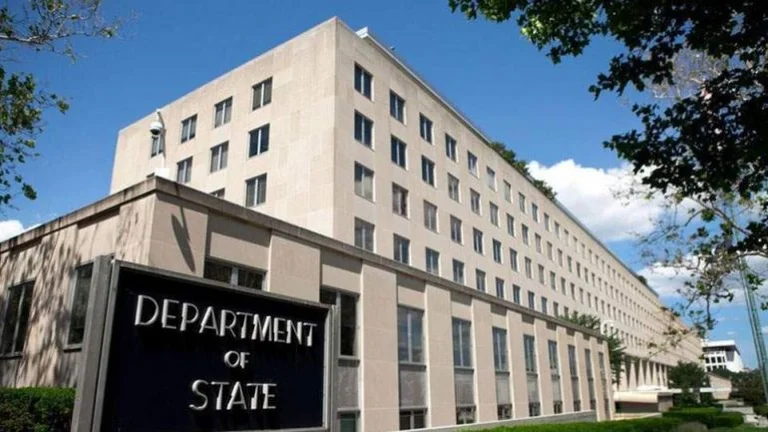
(2 years ago)An annual report by the US State Department for Investment Climate provides information on the environment of doing business in more than 160 economies of the world. In the report, the UN outlines the challenges and priorities of doing business in Albania and Kosovo. In the play on Kosovo, Kosovo report The UN notes that tensions [...]
In the report, the UN outlines the challenges and priorities of doing business in Albania and Kosovo.
In part to Kosovo, report The UN notes that continued tensions with Serbia continue to be an obstacle to attracting foreign investment.
Kosovo's economy, reportedly in the report, has witnessed considerable stability in the continuation of global and regional shocks, including the COVIED 19 Russian aggression in Ukraine and the rapid increase in goods prices.
The International Monetary Fund and the World Bank predicted growth of approximately 4.0 percent in 2024. Foreign investments remain limited, while remittances from the diaspora continue to represent a significant part of Kosovo's domestic production.
The report notes that Kosovo has taken steps to improve the investment climate with government actions to simplify business registration and reduce bureaucratic barriers. However, economic growth and productivity continue to be limited by structural issues, including a large informal economy, dependence on diaspora remittances for consumption and high unemployment among women and young people.
“A small domestic market, although growing, limited regional integration and continuing tensions with Serbia, continue to be the most important obstacles to attracting Foreign Direct Investment”, reportedly in the report, in which the policies sometimes underline Kosovo government's<x2 economics, political interference in the economy and limited public-private dialogue also present challenges to investors.
The report stresses that in June 2023, the Kosovo government, referring to security concerns, banned the entry of ready goods of Serbian origin to Kosovo.
The “Stopping caused great uncertainty to importers and negatively affected foreign subject-owned companies in Kosovo due to the disruptions of the supply chain. Despite repeated demands, the Kosovo government has provided no explanation as to how this ban has eased security threats”, the report said.
The UN also highlights the issue of managing business registration regulations that threatened to shut down several businesses and media during 2023, as well as the Kosovo Central Bank's decision to use the euro as the only currency for cash payments “by just one month of warning, severely restricting access to Serbia's financial support of the Serb community”.
Kosovo's laws and regulations are reportedly in line with international standards for support and protection of investments, but implementation remains weak. It mentions that with the help of the American government, Kosovo founded a Commercial Court in August 2022, which aims to address business disputes fairly, efficient and predictablely. The court is expected to improve the environment of doing business by reducing opportunities for corruption and building investor and private sector confidence in the judicial system.
“Investors attract Kosovo's new population, low labour costs, proximity to the EU market and natural resources. Global supply cuts caused by the COVID-19 pandemic have sparked greater interest from some businesses to use Kosovo as the basis for production targeting the EU market”, the UN report said. /VOA