15 minutes ago
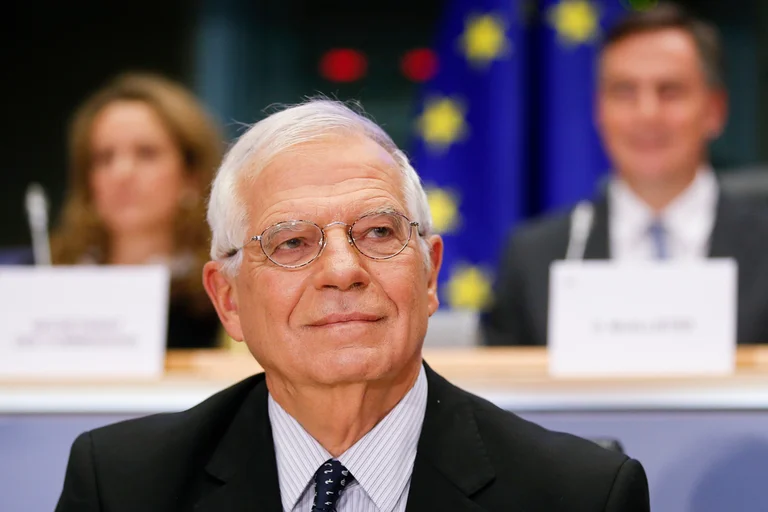
“Banjska, dialogue, association”, full scripture by Borrell shortly before leaving the post of EU High Representative
Periskopi(2 years ago)
(2 years ago)The European Union office in Kosovo yesterday has distributed a blog of EU High Representative Josep Borelli about Kosovo dialogue Serbia, which reflects on this process just before leaving this post. Borell has summed up dialogue developments, citing dangerous moments such as the protest of Serbs [...]
Borell has said that other people will soon be taken in with the dialogue in Brussels who, according to him, will carefully observe Kurti and Vuciq.
Full text:
This week I was senior to President Vuciq and Prime Minister Kurti in Brussels for the 11th gathering of the Belgrade-Pristina Dialogue during my mandate. While progress has been slow, some steps have been made in normalising relations between Kosovo and Serbia. The EU remains committed to helping, but in the end, it needs the courage, vision and political will of leaders of both sides.
When reflecting on the Belgrade-Pristina Dialogue meetings during my mandate, I would initially think of the many challenges we faced: lack of commitment; lack of progress; lack of implementation; lack of readiness to reach consensus. Despite these many challenges, however, there have been some important steps ahead.
When I took office nearly five years ago, my first visit as High Representative took me to Kosovo. At the time, the EU-enlightened dialogue had been blocked for two years and needed a renewal. The normalisation of relations between Kosovo and Serbia is at the heart of the EU's engagement in the Western Balkans. It is essential to unlock a European future for both sides and strengthen security and stability in the region.
In April 2020, I appointed Miroslav Lacach as Special Representatives dedicated to restoring the process on the right track. We first advanced into different chapters of a comprehensive agreement during the summer of 2020. However, different political dynamics in the region and an increasingly complex geopolitical context coincided with many crises, tensions and escalations.
We have seen ups and downs of barricades, climaxing with Kosovo Serbs' collective resignations from their positions in the Kosovo judiciary, police and administration. This was a serious obstacle.
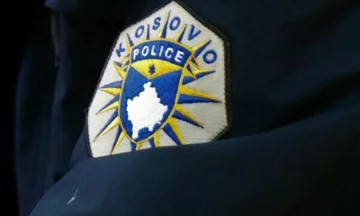
The most dangerous moments occurred in May 2023, when protests in northern Kosovo became violent, leaving more than 90 KFOR peacekeepers injured. And then, on September 24, 2023, when news came to me during the UN General Assembly in New York, that an armed invasion in the same area had resulted in the murder of a Kosovo police officer and the discovery of a shocking amount of military-level ammunition.
Despite these challenges and difficulties, however, many meetings, visits and calls have also contributed to significant steps ahead that should not be forgotten. Dialogue has brought tangible improvements to the lives of citizens in Kosovo and Serbia.
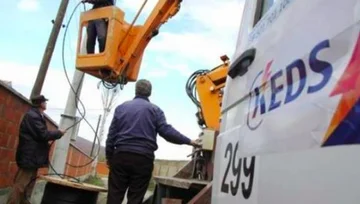
First of all, we made it possible for all citizens of Kosovo and Serbia to travel freely between Kosovo and Serbia using their ID cards, eventually removing entry documents. And we resolved the issue of car plates with mutual recognition of the license plates between Kosovo and Serbia. Now people can travel freely in and between. Freedom of movement is an essential part of normalising relations. We also managed to complete the unstable 20-year practice of not paying electricity in northern Kosovo.
But most importantly, we managed to sign the so-called Ohrid Agreement on the Path of Normalisation and its Implementation Annex in February and March 2023. Reaching such an agreement at the time of an unprecedented full - scale war on our continent was an important achievement. For the first time, we have set a clear framework for the future of the process. Unfortunately, its implementation has not yet started fully, and both sides bear responsibility for failing to fulfill what they promised to do more than a year ago.
As part of this agreement, we addressed the issue of creating the Association/Community of Serb-run municipalities in Kosovo, one of the most sensitive issues in the Dialog. This was already envisioned in the 2013 and 2015 Brussels Accords. To help the process move forward, we presented the so-called European Drift Stattuti to address this sensitive issue, but so far it has not become reality.
Unfortunately, this week's Dialogue Meeting has brought no progress in implementation. Discussions were as difficult as ever, and there was, in the end, no face-to-face meeting between the president and the prime minister. Serbia was willing to meet, but Kosovo asked me to deliver a series of preconditions. Currently the positions of the two sides remain far apart. However, the work will continue: Key Paul negotiators agreed to come to Brussels next week to work on concrete steps to unblock implementation of the Agreement.
As a summary, we have done much in recent years, but the process can only advance as quickly as they are willing to move both sides. EU relief cannot achieve more normalisation than Kosovo and Serbia want. After several months, other people will be responsible for the issue in Brussels, but the expectations of the European Union and its member states will not change. Kosovo and Serbia's commitments and obligations will not disappear.
All will continue to see the willingness of the Serbian president and Kosovo prime minister to offer a better European future for their people. In the end, this requires courage, vision, and political will. The EU will continue to help with every step along the road.