2 minutes ago
Discussions in Brussels over removal of Kosovo punitive measures
Periskopi(2 years ago)
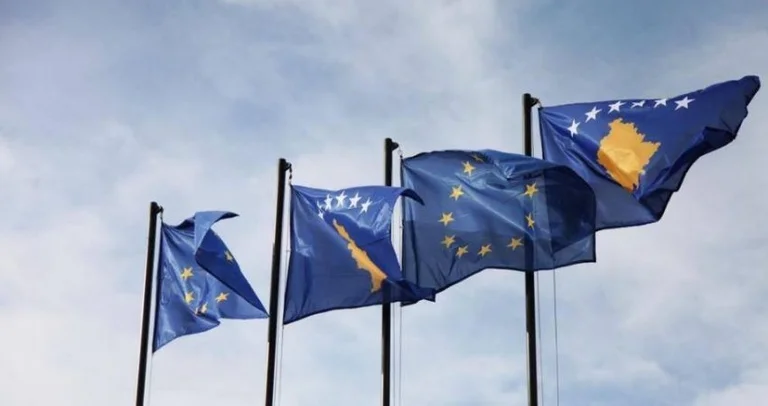
(2 years ago)Representatives of European Union member states discuss the possibility of lifting punitive measures imposed on Kosovo a year ago due to developments in Serb-run northern Kosovo. The discussion is based on European Union Foreign Policy Chief Joseph Borrell's report on the fulfillment of [...]
Representatives of European Union member states discuss the possibility of lifting punitive measures imposed on Kosovo a year ago due to developments in Serb-run northern Kosovo.
The discussion is based on European Union Foreign Policy Chief Joseph Borrell's report concerning meeting the conditions for the removal of measures and resources in Brussels said the report proposes lifting them.
Kosovo Deputy Prime Minister Besnik Bislimi said today that the government hopes no state will oppose lifting the measures.
There are two to three states that have preferred gradual removal of measures to two degrees, but not that there are others who have been against the removal of measures, but the absolute majority of countries believe that the deployment of measures against Kosovo has been unfair, not setting measures against Serbia has been the additional injustice that has been done to Kosovo”, He said.
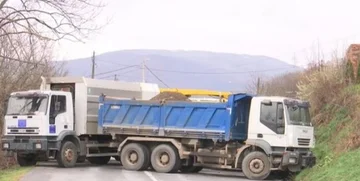
A year has already been under way since the Kosovo government faced punitive measures from the European Union due to tensions in the north, where sending Albanian mayors to their offices late May last month was strongly opposed by groups of Serb citizens who clashed with Kosovo police and NATO peacekeeping forces, wounding over 90 KFOR members.
The European Union had called for the suspension of the situation in the north, the removal of special police units from municipal buildings and the organisation of new elections for mayors of Serb-run municipalities in northern Kosovo.
Since then, the situation in the north of the country has been fraught with tensions, and international authorities have been urging the parties to avoid actions that could further strain the situation and work towards implementing the agreement to normalise their relations.
The European Union's envoy for Kosovo-Serbia talks, Miroslav Lajcak, will meet in Belgrade today with Serbian leaders a day after staying in Pristina, where he said his visit concerns the new focus on the normalisation of relations between Kosovo and Serbia and what concrete steps the parties will take to speed up implementation of the agreement.
In March of this year, it was a year since Kosovo and Serbia agreed to an agreement on normalising relations, but its implementation has not yet begun.
European officials have conditioned European integration, other integration processes for both countries with implementation of the agreement
In April, the foreign ministers of the European Union member states approved the changes to chapter 35 of Serbia's membership negotiations, making it part of the obligations stemming from the agreement to normalise relations with Kosovo that was reached last year in Brussels and Ohrid.
Kosovo failed in May to join the Council of Europe after authorities rejected the requirements of key European countries to submit the draft statute for establishing Association for review at the Constitutional Court.