5 minutes ago
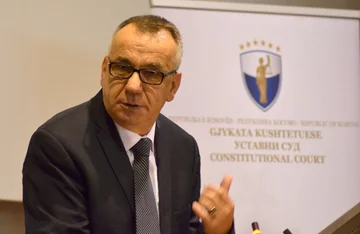
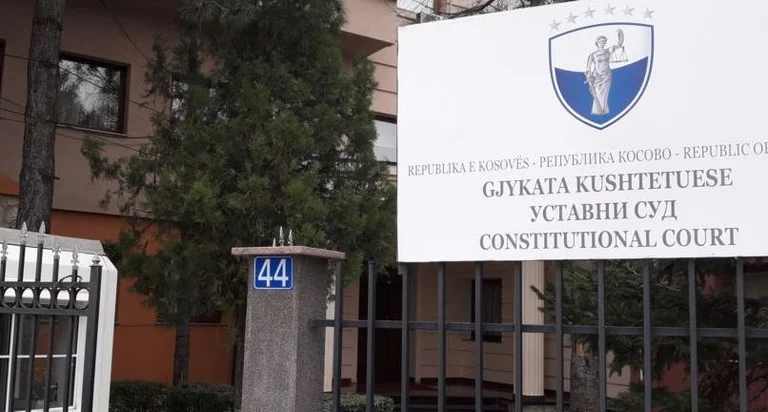
Constitutional rejects requirement for suspension of BQC regulation for dinar
Periskopi(2 years ago)
(2 years ago)The Constitutional Court has declared the lawyer's request, Vasilije Arsreq, unacceptable for the suspension of the Central Bank of the Republic of Kosovo's Central Bank regulation, with which the only currency allowed to be used to conduct cash payment transactions in the payment system is euros. The Constitution found that [...]
The Constitutional Court has declared the lawyer's request, Vasilije Arsreq, unacceptable for the suspension of the Central Bank of the Republic of Kosovo's Central Bank regulation, with which the only currency allowed to be used to conduct cash payment transactions in the payment system is euros.
The Constitution found the request declared unacceptable due to the failure to issue legal means prescribed by law and to refuse the request for the appointment of the provisional measure, respectively, suspend the implementation of the BEC's high-level regulation, reports the “Justice Trust”.
According to the Constitution, the circumstances of the concrete case concern the adoption of the regulation for cash-ready operations by the CEC, under which the only currency allowed to be used to conduct cash payment transactions in the Kosovo Republic is euros.
Lawyer Assreq, before the Court countered the constitutionality of the BQ's Order, claiming it has been issued in violation of guaranteed rights with the Constitutions, stressing that Article 35 (euro wave) of Central Bank Law, is indirectly discriminating against the Serb community in the Republic of Kosovo.
“ ... since primarily affecting the Serb community in Kosovo [...] even though the regulation itself does not specifically contain discrimination provisions, the fact that its implementation is discriminated against indicates indirect discrimination”, the statement said.
The court's ruling on non-admission also highlights the court's consolidation practice, in the context of constitutional obligation to depletion of legal means, including in terms of contesting illegal acts.
The Constitution also re-exemplifies that based on the Constitution of the Republic of Kosovo, individuals are authorised to set up violations by public authorities of their individual rights and freedoms guaranteed with the Constitutions, but only after they have exhausted all legal means prescribed by law.
“The existence of re-exertity that, depletion of legal means is constitutional and legal duty, and beyond the individual's obligation to depletion of available legal means, also ensures restrictions on the Constitutional Court's jurisdiction in relation to fair courts, and which, based on the principle of subsiardity, have the primary authority to examine individuals' claims of violation of their fundamental rights and freedoms”, the report says.
On the other hand, according to the Constitutional Court's announcement, the forger had to argue that he had exhausted all legal means or that the same ones were not effective.
“should argue that (i) there is no legal means; or that (i) has taken all measures to deplete legal means defined by law, but that the relevant legal means is not effective, available and/or accessible”, the statement says.
Under the concrete circumstances of the case, according to the report, lawyer Arsreq had reportedly stressed that there was no legal means available to counter the legality and constitutionality of Kosovo's Central Bank's Supreme Order.
It also stressed in the report that the court found that the request should be declared unacceptable due to the failure of legal means, as defined by the Constitution, the Law for Constitutional Court and the Court's rule of affairs.