6 minutes ago
Biserko: Vucinciki will implement the Brussels Agreement, waiting for Trump
Periskopi(2 years ago)
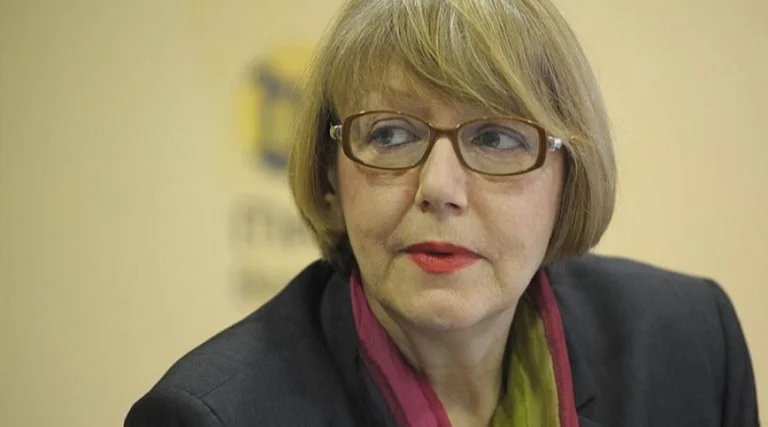
(2 years ago)Helsinki Committee for Human Rights in Serbia Chairman Sonja Biserko says Serbian President Aleksandar Vuciq is not ready for implementation of the Brussels and Ohrid Annex Agreement. According to her, Vuciq is waiting for the change of political circumstances in the international context, separately to the US, the former president's coming to power, [...]
Helsinki Committee for Human Rights in Serbia Chairman Sonja Biserko says Serbian President Aleksandar Vuciq is not ready for implementation of the Brussels and Ohrid Annex Agreement.
According to her, Vuciq is awaiting change of political circumstances in the international context, separately the US president Donald Trump's coming to power.
Biserko is pessimistic that there will be progress in dialogue, despite possible high-level meetings, but also of top negotiators in Brussels. Meanwhile, it emphasises that the West is not pushing Serbia to meet the requirements in terms of bringing to justice the responsible for the terrorist attack on Zvecan Banjska.
Biserko for Kosovo Press, urges the European Union to focus dialogue after selecting new facilities in the union.
“I am not sure how to really continue, it will continue, but if both sides, particularly Belgrade, are willing to continue with implementation of the Ohrid Agreement, I am not sure. That depends greatly on the international context. First of all, for elections in the White House, this is something Belgrade expects, hoping Trump will return. Second, the European Union and what returned to the right party is also something Belgrade considers a positive movement in terms of their interests -- on the other hand, these parties may also influence enlargement policy -- most of them oppose.
And third also depends on how Russia will continue with the invasion of Ukraine, if it fails, how little it will react. The problem is that this Russian aggression seems not only against Ukraine but against the whole West and its values, and their goal is really to destroy this European concept, which is the unique concept in history, peaceful agreement, etc. Which is extremely important for our region, taking into account the past decades not only of wars but also of misunderstandings and unwillingness of Serbia to engage in the normalisation process and later reconciliation”, she says.
She adds that under current circumstances there is potential for a crisis and tension between the parties.
Well, I don't think that's gonna happen much. No, I don't think that's gonna happen much. I hope it will happen, but I'm not sure, but it's a way, as I see it, a kind of transition to future dialogue developed by different people, because change in the mandate is also on the way. So we don't know who and how they will carry out this process. I hope they will give due attention to the region, given that there is always this potential for some kind of crisis, a kind of tension as speculated since the beginning of the war in Ukraine. So it's really the issue of security, and the EU treats the Balkan region, our Western Balkans as a security priority, so how this will affect dialogue and what it focuses on, I don't know. So this is something that remains to be seen”, Biserko declares.
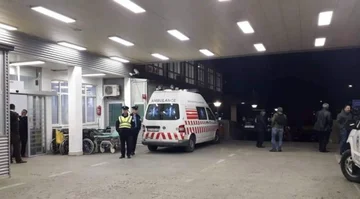
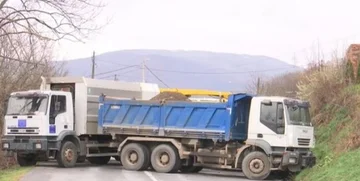
According to her, last year's terrorist attack on Zvecan Banisksk testifies to this.
She emphasises that the international community should see the potential of destabilisation coming from Belgrade, as Westerners say they are not pushing Serbia to meet demands on bringing the terrorist attacks on Banjska to justice.
“Rasti Banjska was truly a warning to the Western community, that the potential of destabilisation coming from Belgrade exists. They responded quickly and prevented the escalation of this situation. But unfortunately, Serbia did not respond properly to what was required of it -- both the EU and the US -- they treat this in response to the Serb community's discrimination in Kosovo, which of course is not real -- what happened. So Serbia is not responding to the requirements, and on the other hand, the West is not really pushing Serbia to meet what is required of it, but it is, I would say, the result of the context, because in my opinion, the European Union is still living in a comfort zone, they are a kind of reshaping of the EU because, as it were, the rapid change of international context”, she points out.
In addition, human rights activist in Serbia considers the removal of punitive measures against Kosovo necessary.
“Yes, of course, they should not be placed first, because that is something that is apparently satisfactory for Serbia, because it hopes to win Serbia for Euro-Atlantic integration. I don't see progress that way, because Serbia always claims to be on its way to the EU, but I only see to the point that it can use the funds available for the” region, Biserko concludes.