4 minutes ago
Is it sequistation or seizure? ) What about the money taken from Serbian institutions in the north?
Periskopi(2 years ago)
(2 years ago)The Kosovo Agency for Confiscated and Sequistuar Management still has no court decision to manage with the millions of euros Kosovo police said confiscated them into some financial institutions in the country's north on May 20th. Without making a decision from the court, we can't do anything. We [...]
Without making a decision from the court, we can't do anything. We act according to the competent court's decision”, Free Europe Deputy Director General Enver Krasniqi briefly tells Radio.
On this subject, REL He also contacted the Ministry of Justice, under which the Agency for Confiscated Property Management and Secuested, but it did not respond.
Right now, it's not clear which court the case is.
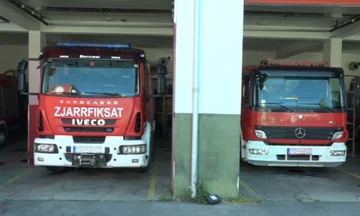
A day earlier, Kosovo police closed six artefacts of Serbia's financial institutions in the northern part of the country, inhabited by Serb majority.
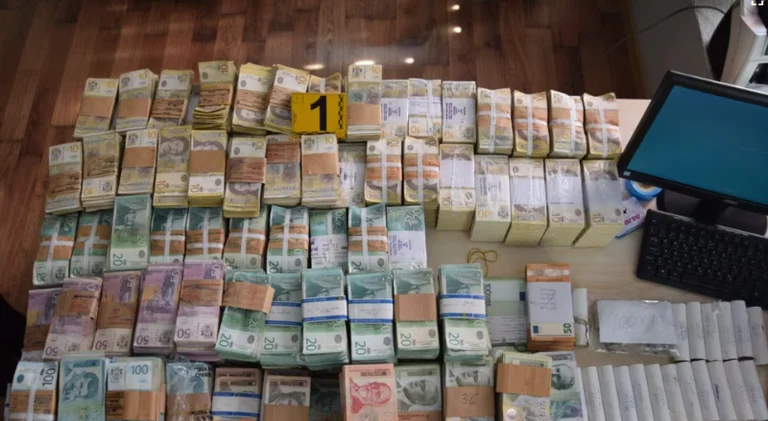
During the action, she said she seized over 2.2m euros in total, including dinars, francs and US and Australian dollars.
The event took place a few days after the Kosovo Central Bank announced that the transitional period for implementation of its regulation, which prohibits the use of the Serbian dinar in Kosovo, has expired.
Radio Free Europe addressed the Kosovo Police with questions about where the money received from Serbian financial institutions in the north is and whether they have been confiscated or seized, but received no answers. She suggested only that her communique of May 20th be taken for reference.
Confiscating implies the permanent acquisition of property by strict orders from the competent court or other competent body in accordance with the law in force, while sequenting the acquisition of property from the competent body until the court's firm decision.
Now what?
The “in the concrete case involves sequistation and not seizures, which means the provisional freeze of these means, until all legal procedures” are completed, says Free Europe Guzim Shala, researcher at the Kosovo Institute for Justice.
According to him, if it proves that those vehicles have stemmed from illegal phenomena, then “could be made the decision to seizure them”, meaning “the final takeover of the Republic of Kosovo's” money.
Shala says the investigative phase until the final verdict of the competent court is made could last up to three years.
In the Kosovo Criminal Procedure Code, it is also said, that the sequentised property is maintained fairly by the police, until the court's decree for detention is issued.
Kosovo critic
The US State Department (DASH) said it is disappointed with Kosovo police action in Serbian financial institutions in the north and, according to him, escalates tensions in the Serb-run majority area.
The European Union reacted similarly.
Monday's “Operations testify once again that Kosovo authorities give priority to unilateral and uncoordinated actions more than co-operation with friends and allies on the ground”, spokesman Peter Stano said.
In Serbia, meanwhile, Prime Minister Milos Vuchev described the action as the barbarous “” that, as he said, “directly threatens the survival of the Serbian people” in Kosovo.
Former Kosovo Justice Minister Jonuz Salihu agrees that the issue gets political co-operation and doubts it can be resolved through Kosovo's legal base.
“I believe sequencing this money should be the subject of talks between Kosovo and Serbia, with EU mediation”, he tells Radio Free Europe.
Last week, Kosovo and Serbia's top negotiators ended without success the seventh round of talks on the issue of using the Serbian dinar in Kosovo.
Adjusting the CEC that prohibits the dinar, making the euro a single cash payment tool, went into effect on February 1st, while on 13th, the CEC said the transitional period for its implementation was over.
The regulation increased friction between Kosovo and its Western partners, who demanded its suspension until the Serb community, which for years accepts various payments in dinars from Serbia, adjusts to the new practice.
Kosovo authorities, however, did not back off.
Police said the purpose of its action in the north, on May 20th, was “the establishment of order and legitimacy”.
On February 1st, Kosovo Customs also announced several times that it has banned the entry of dinars from Serbia into Kosovo, with the reason it does not have the CEC's approval.
At least until May 17th, according to REL reports from the ground, payments to the majority Serb environments in Kosovo have continued to take place both in euros and in dinars. /European. org