6 minutes ago
Ramadani: No co-ordination among institutions leaders
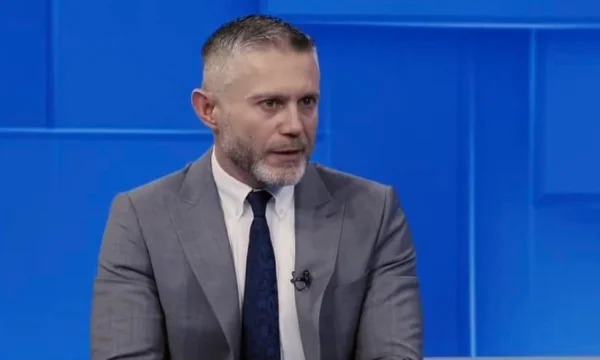
Periskopi(2 years ago)
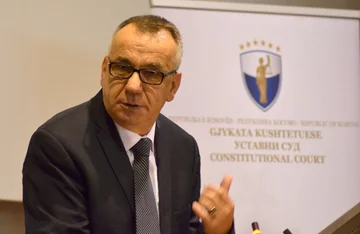
(2 years ago)Burim Ramadani, former chief inspector in AKI, voiced criticism of state institutions over their co-operation and co-ordination of activities vis-à-vis the political and security situation in the country, praising that there is a imbalance among them. Ramadani commenting on the political and security situation in the country as well as the non-coordination among leaders [...]
Burim Ramadani, former chief inspector in AKI, voiced criticism of state institutions over their co-operation and co-ordination of activities vis-à-vis the political and security situation in the country, praising that there is a imbalance among them.
Ramadani commenting on the political and security situation in the country, as well as the non-co-ordination between the heads of institutions, said it is an indication of a difference that existed even earlier between President, Parliament Speaker and the prime minister.
“There is a long time that state institutions make the individualised and uncontained decision”, Ramadani said in “InfoPlus”, RTK.
He further said that this situation, already, has been passed to the public, as he added that it is the passage of the debate missing among institutions, in relation to internationals, in relation to local institutions, and that, according to Ramadan, has been expected to make it public.
Meanwhile, regarding Kosovo's progress in NATO as an associate member of this organisation, Ramadani is critical of the state-run institutions' statements to this issue, said it must pay off the value of such a step.
Kosovo's “Progressing NATO as an associate member is not a step towards full membership in this organisation. Serbia has been an associate member and still far away is its NATO membership for more than ten years. So give him the value he deserves. NATO's Parliamentary Assembly is an important organisation of the debate, of NATO values, the binding bridge of discussion about what NATO” is, Ramadani said.
As regards the events of a year ago in the country's north, separately in Zvecan, Ramadani said there have been few arrests until he added that Kosovo security institutions have room to work even more on identifying and apprehending them, but also on the country's diplomacy must make more lobbies for international diplomacy to increase pressure on Serbia to hand over those hooligans, especially those who are citizens of Kosovo.