2 minutes ago
KFOR Commander: The security situation in Kosovo is fragile, NATO continues to seek responsibility for Banjska
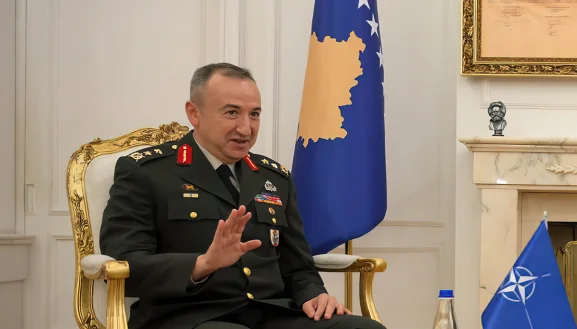
Periskopi(2 years ago)
(2 years ago)KFOR Commander Major General Ozkan Ulutash said the security situation in Kosovo is stable but fragile. He said 4600 troops within KFOR coming from 28 partner countries and NATO members are ready to respond to any kind of challenge. Major General Ulutash did not comment on the request of a few months more [...]
KFOR Commander Major General Ozkan Ulutash said the security situation in Kosovo is stable but fragile. He said 4600 troops within KFOR coming from 28 partner countries and NATO members are ready to respond to any kind of challenge. Major General Ulutas did not comment on Prime Minister Albin Kurti's request for additional troops a few months ago, but said that depending on the situation, they could re-negotiate additional troops.
“NATO constantly reviews its stance and remains willing to regulate it as needed or adjust it. Through a 1,000-strong increase, NATO deployed additional reserve forces in Kosovo following the violence that occurred last year. To prevent any risk of escalation or renewed violence, we are willing to respond to possible challenges. If necessary, we can adjust our position as necessary, in line with our UN mandate”, said Ozkan Ulutas, commander of KFOR.
Regarding warnings from several foreign intelligence agencies for rising tensions in northern Kosovo, KFOR commander ensures they are willing to respond to any challenge.
“We are well equipped and ready to deal with any situation that can affect the security environment and continue to operate as the third security responder, behind the Kosovo Police and the EU Law Rule Mission (EULEX), respectively, with which we are in close co-ordination”, Uluta stressed.
Regarding Serbian military bases located on the border and claims that Serbia is training people to attack Kosovo, he said efforts to prevent any escalation of the situation would follow.
We closely monitor any development that can affect security throughout Kosovo and regional stability. We will continue our efforts to prevent any escalation and are willing to respond to any challenge that may occur, by adjusting our position as necessary and continuing close co-operation with the Kosovo Police, the Armed Forces of Serbia and EULEX”, the KFOR commander said.
KFOR commander called for responsibility for Banjska's terrorist act, but did not say whether they themselves had any investigation into the event.
“NATO continues to seek responsibility for the 29 May and 24 September violent attacks. Investigations into incidents such as what happened in Banjska include co-ordination with local authorities and interested parties. Therefore, we have asked relevant authorities in Pristina and Belgrade to conduct the necessary legal investigations to verify the facts and bring those responsible to justice”, Ulutas added.
Major General Uulash, who also participated in the Serbian Army's latest exercise, said it is important to communicate with the general of Serbia's Armed Forces to identify early signals of any possible tension.