6 minutes ago
Euroactive: New start for Kosovo-Serbia dialogue after European elections?
Periskopi(2 years ago)
(2 years ago)What seemed to be progress a year ago is now facing a deadlock: neither Belgrade nor Pristina are ready to implement the Ohrid Agreement that the EU negotiated with them last March and are instead placing their hopes on leadership changes in Europe [...]
What seemed to be some progress a year ago is now facing a deadlock: neither Belgrade nor Pristina are ready to implement the Ohrid Agreement that the EU negotiated with them last March and instead are placing their hopes on the changes of leadership in Europe and the US to rekindle dialogue, writes the independent Pan-European media network, specialising in EU affairs, EractivI'll follow the Express.
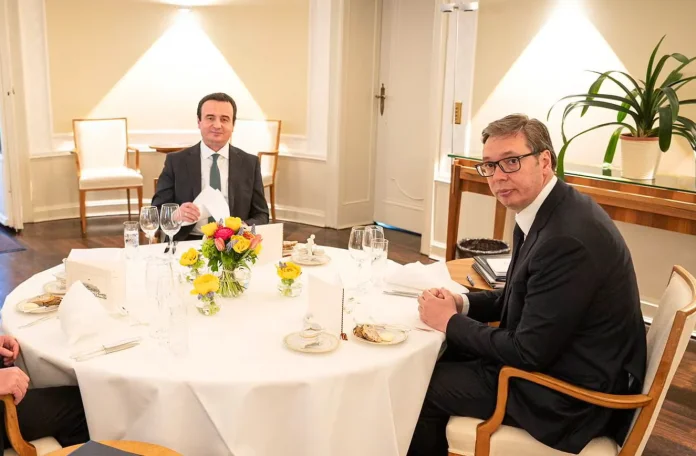
Serbia's President Aleksandar Vuciq and his then Prime Minister Ana Brnabiq have made it clear that their country will not formally recognise Kosovo's independence and will continue to reject its membership in the Council of Europe and other international institutions.
His Kosovo counterpart, Albin Kurti, is stalling implementation of the Serb majority municipalities in northern Kosovo, long agreed on, which Pristina says violates the constitution and fears it may fail as Republika Srpska's system in Bosnia and Herzegovina.
The terms of the Ohrid Agreement are now included under the current EU accession negotiations with Belgrade, in Chapter 35, after EU ambassadors unanimously agreed to that step in mid-April.
During the past year, EU diplomats have become increasingly impatient with the lack of progress, as even the combined efforts of Brussels and Washington have not achieved tangible results.
This lack of progress, they say, is because Belgrade and Pristina have adopted an approach of “expected and see” about the outcome of the European elections in June and the US presidential elections in November.
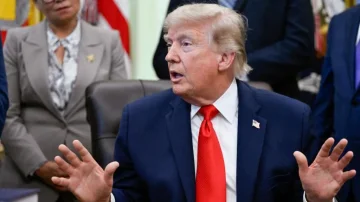
Especially Vuciq has played for some time, with Belgrade hoping to return former US President Donald Trump to the White House.
In his first term, there were Trump envoys who supported an exchange of territories between Kosovo and Serbia in 2018, which Vuciq and then Kosovo President Hashim Thaci had negotiated.
The effort failed mainly due to resistance from Germany, which did not want to see any new border changes. With Trump, Vuciq hopes, there may be another solution.
US Special Envoy for the Western Balkans Gabriel Escobar leaves his post at the end of this month, and who will replace it remains unclear.
EU Special Representative for Negotiations between Serbia and Kosovo Miroslav Lajcak was on his farewell tour in Washington this week and is expected to leave his post by August.
In his case, the name of former Slovenian President Borut Pahor, who is currently working on a draft blueprint for continuing the Kosovo-Serbia dialogue, has been suggested as potential offspring.
At the same time, the new EU top diplomat, who will replace incumbent President Josep Borrell, who heads the Belgrade-Pristina dialogue, is not expected to take office by the end of this year. According to recent polls and political reshuffles among political groups, the candidate may come from liberals rather than Socialists this time around.
Until then, EU diplomats expect dialogue to be largely sleepy, with high-level meetings unlikely to happen.
Some hope that the new institutional cycle of the EU will be able to break off with the return of a push that worked more than a decade ago: a real prospect of future EU integration and the financial advantages coming with the process.
“While new mediators have a chance to improve the dynamics, there are more structural problems, such as the lack of a reliable EU membership perspective”, Professor of the University of Graz told Euractiv.
He added, “They need a new approach with stable and transparent commitments and a stronger EU”.
“If the future European Commission, as expected, will be an enlargement-focused commission, there is a possibility that those political processes will be viewed more closely”, an EU official said.
“We can see more incentives and more pressure applied on all sides”, they added.
But there are even bigger obstacles, like. The Serbian public's low approval of EU membership, Kosovo's impossible progress in its EU membership bid, especially with Hungary taking over the rotating presidency of the EU Council, and the fact that still, five of the EU member states do not recognise its independence.