4 minutes ago
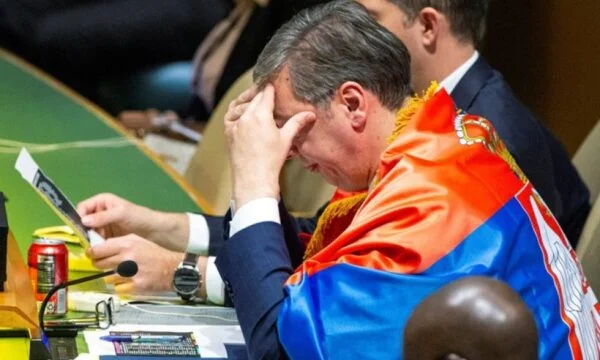
BBC: Even in Serbia they are wondering why their government was so hard against resolution
Periskopi(2 years ago)
(2 years ago)United Nations member states voted for the July 11th declaration as the annual commemoration of the victims of genocide in Srebrenica in 1995. The BBC reports that the proposal from Germany and Rwanda passed despite intensive lobbies from Serbia against the resolution. Serbia's president, Aleksandar Vuciq, has said it is “politicised” and that it exists [...]
Serbia's president, Aleksandar Vuciq, has said it is “politicised” and that there is the danger that Serbia and the Serbian people will be named collective responsible for genocide.
In the end, 84 member states voted for the creation of the “International Genocide Memory and Memory Diter in Srebrenica 1995”. Serbia may point out it has been exceeded by 19 votes against and 68 abstentions.
But, the BBC report notes, relatives of more than eight thousand Bosnian Muslim men and boys who were killed in genocide will feel greater satisfaction. Bosnian Serb forces systematically killed them after taking over peacekeepers allegedly defending the protected “area of the UN of Srebrenica in eastern Bosnia.
The BBC also emphasises that Vuciq has stressed that the Srebrenica resolution “has nothing to do with reconciliation, not with memories, but with something that will open new wounds, not only in our area, but also in this box”.
Even in Serbia, however, some are asking why their government has so strongly rejected the resolution. After all, the proposal specifically says that only individuals are convicted of genocide and that the guilt “cannot be attributed to any ethnic, religious or ethnic group or community as a whole”.