4 minutes ago
Balkan Expert: Where did Kosovo miss out on the KiE?
Periskopi(2 years ago)
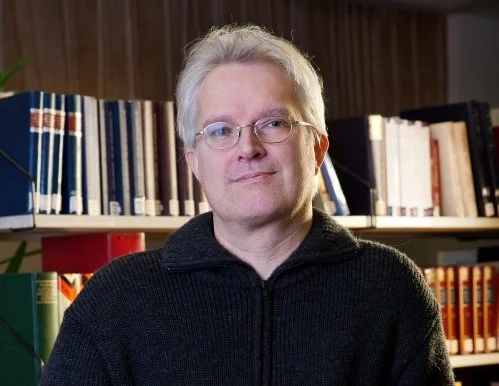
(2 years ago)Kosovo was not on the agenda of the Council of Europe, though the Parliamentary Assembly recommended its membership. Interview with historian and Balkan expert Konrad Clewing. Kosovo was not in the Council of Europe's agenda, although the KiE Parliamentary Assembly recommended Kosovo's membership by 82 percent. What's wrong? Conrad Clewing: Kosovo did [...]
Kosovo was not in the Council of Europe's agenda, although the KiE Parliamentary Assembly recommended Kosovo's membership by 82 percent. What's wrong?
Conrad Clewing: Kosovo made many mistakes. First, he relied on the fact that Kosovo Western partners, seeing Serbian politics, would pave the way for membership in the Council of Europe. He wrongly thought the three major EU powers would help at the last minute.
Second, the current government and previous ones did not develop a plan for the Association of Communists after the 2015 Constitutional Court ruling. To think that this issue will be resolved by itself is naive and a major political error. This gave Western actors space from Lajčak to leaders in Berlin, Paris and Rome to intervene. The precondition to present Lajčak's plan without further negotiations with and in Kosovo to the Constitutional Court was an intervention deserving of criticism. The letter of three leaders to Kurt on May 15th was also very severe. However: If the government had acted earlier, it could have been avoided.
Third, last week's actions by the Foreign Ministry came too late and without much restraint. It is incomprehensible how Germany, France, or Italy, and all QUINT could be believed to change their minds and accept a plan still unfinished like that of the FES Foundation.
Who should take responsibility?
The Kosovo Constitution says: the president leads the country's foreign policy; the government proposes and implements the country's foreign policy; the assembly supervises foreign and security policy. It is a bad sign that the president, according to her statement, was not consulted for the foreign minister's important step. It is also a bad sign that the ruling majority in parliament has little international expertise. But it is clear: The primary responsibility for the lack of preparation of a plan for the Association of Communists and the poor presentation of positions on partners is government. So the Foreign Ministry and the Prime Minister. If foreign advisers have contributed, it may be said that they did not do a good job. But the main responsibility for the poor outcome lies with the government.
Former US President Donald Trump's former in charge of Kosovo-Serbia dialogue Richard Green has especially thanked Melon in an X post for the letter government leaders sent to Kurti. Is this serious or just postings for election campaigns?
I don't want to comment on Mr. Green. But the question makes us think how dangerous it is for European governments and those in small countries not to worry about the turbulence and unpredictable that could bring Trump's possible victory in the autumn in international relations.
Kurti is considering the possibility of early elections. What can his camp benefit from this step?
If Prime Minister Kurti closely follows that goal, he estimates that he and his party can gain support from voters for the successes, especially in weakening Serbian institutions in the country's north and in issues like currency across the country. In the internal plan, the government has several successes, but in fighting corruption, economic development and improving daily living conditions, performance is poor. In foreign policy, he may speculate that Western partners will ease their criticism if elected and remains the main partner in Kosovo. Western partners will likely hope for new elections to find a more suitable partner. The current government has caused much anger in the Allies with its non-technology approach. / DW