10 minutes ago
Lajcak says Kosovo and Serbia's societies want normalisation: Every time Vuchy's Kurt takes a step, there is criticism
Periskopi(2 years ago)
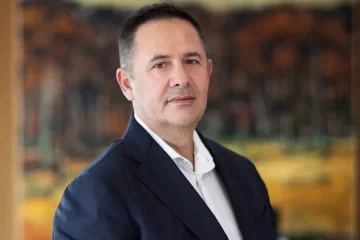
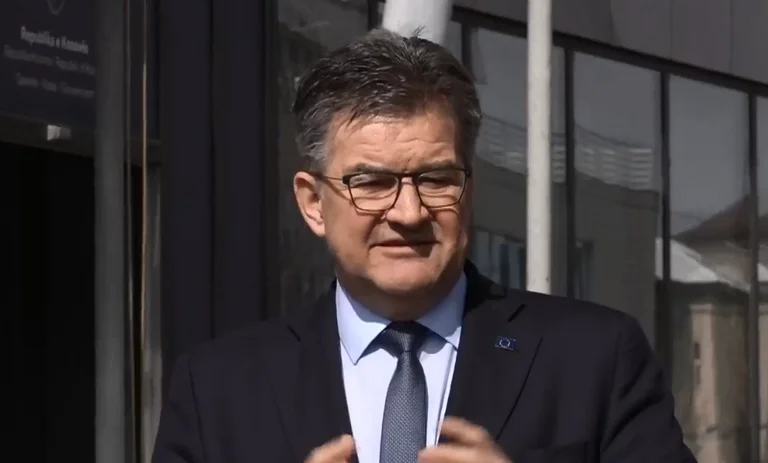
(2 years ago)EU Emisar for the Western Balkans Miroslav Lajcak, responsible for the Kosovo-Serbia talks, has said societies in Kosovo and Serbia press for normalising Kosovo-Serbia reports. Moreover, he feels that whenever Kurt and Vuchy take any step, there is criticism in their respective countries. Asked by N1 Bosnia who was [...]
EU Emisar for the Western Balkans Miroslav Lajcak, responsible for the Kosovo-Serbia talks, has said societies in Kosovo and Serbia press for normalising Kosovo-Serbia reports. Moreover, he feels that whenever Kurt and Vuchy take any step, there is criticism in their respective countries.
Asked by N1 Bosnia what has been the biggest problem facing negotiations, Lajcak has said the key “problem is that the process should lead to normalisation of relations”.
I recently had a meeting with representatives of nongovernmental organisations and media from the region. I asked them who wants normal? And the answer was you, the European Union. So the problem is that this is a process that has been made possible by the EU, but we don't feel the effort, pressure for social normalisation, in Serbia or in Kosovo. So we have an agreement that we never had before -- the Ohrid Agreement, which is a clear road. But what I have also witnessed is that whenever two leaders -- President Vuciq, Prime Minister Kurti -- agree on some steps towards normalisation, it faces criticism in their societies” has said Lajcak.
So it is clear that the most important element to complete this process is to help societies understand that without normalising their relations there is no European future for them”, he added.
According to him, the European Union has never been more willing to lead this process or facilitate this process.
However, I have to say that the four years of my mandate actually split into two parts. One was positive when we were working on normalisation, but the other, which was bigger, unfortunately facing the crisis on the ground, easing the impact, trying to prevent escalation. And of course, you can't have both at the same time. So very often we were forced to stop the normalisation process because we had to face escalation on the ground”.
Emisari has stressed that now the biggest issue is how to ease the impact of Kosovo Central Bank's decision on cash transactions”.
Of course, this is what is currently getting our attention. So, unfortunately, this is a reality that is the product of a very low level of trust between two societies, between Kosovo and Serbia in general”.