a few seconds ago
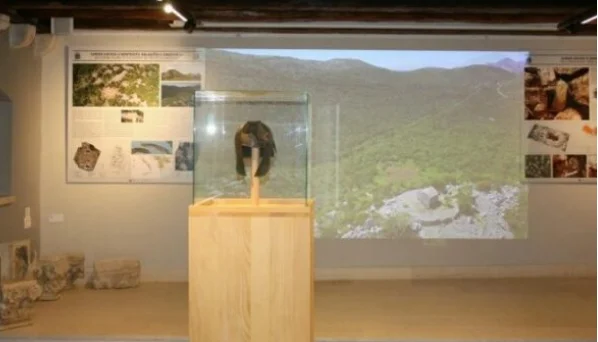
Archaeologists in Croatia find a 2,500-year-old Illyrian helmet that looks new
Periskopi(2 years ago)
(2 years ago)Four years after the fantastic discovery of a 2,500-year-old Illyrian helmet by the Pljesac Zakotorec, archaeologists last morning, almost in the same spot, found another older one! The news was announced by Martha Calebota, Croatian archaeologist from the City of Corcula Museum and member of the archaeological team that diligently digs into [...]
The news was announced by Martha Calebota, Croatian archaeologist from the Korcula City Museum and member of the archaeological team that diligently digs in Zakotac.
The same team that found the first helmet in 2020 found another second, slightly older, but details will be determined by detailed analysis, writes Slobodna Dalmatian.
“Hrve took a stone and began shouting that he had found another helmet! The feeling is, at least, phenomenal, I feel very excited, an incredible invention and, for the second time,”, she claimed.
The second helmet was found ten metres away from where the first was found. They're a little different, they're different from pages and faces, which makes us conclude that what's found today dates back to the V-VI, which means it's a little older than the first one, but you still have to determine the details, the new archaeologist Calebota stated. Yes, the team consists of Dr.Sc. Prof. Hrvoje Potrebic from the Department of Archaeology at the Faculty of Philosophy in Zagreb, who found the helmet, as well as from Domajj Perkiq from the Dubrovnik Museum that leads the team and finances excavations.
Calebota found that the helmet was found in a semicircular annex, surrounded by stones in a large heap, while the first was found in the area near the tomb with many other artifacts, such as buttons, beads, ceramic vessels, amber, and others.
Archaeologists still speculate whether it was a helmet that was a gift of dedication to a fallen warrior or whether it was worthy of the entire crowd, whether it was in service of other burials. She's in very good shape, a little curved on top.
More details we'll know soon, but the reason the helmets are so valuable in Zakotorac is certainly the Peljeshk Canal.
For thousands of years, the 12km-long sea canal that divides the island of Corcula and the Peljesac peninsula was and remains the safest and shorter trade route to Dubrovnik.
The Peljeska Canal is the reason for many other archaeological sites on the island and the peninsula, and people living there were usually wealthy, either because of piracy or because of trade, as evidenced by the items found, expensive.
Archaeologists have most likely concluded that the first helmet most likely belonged to the deserts (or, foresters), and that the second will be known more after the analysis.